Israeli Prime Minister Benjamin Netanyahu has pushed back against remarks made by US Senator JD Vance, who claimed that the United States and Israel are each other's only true allies. Netanyahu countered that Israel has other important friends, including India, underscoring the breadth of Israel's diplomatic ties.
Netanyahu's Rebuttal
Speaking at a press conference, Netanyahu stated, "We have some other friends like India, and many others." He emphasized that Israel maintains strong relationships with numerous countries across the globe, not solely the United States. The prime minister's comments came in response to Vance's assertion during a Senate hearing that "the United States and Israel are really the only two allies that we have in the world."
Context of the Remarks
JD Vance, a Republican senator from Ohio, made the original claim while discussing US foreign policy priorities. He argued that the US should focus on its closest allies, naming Israel as the primary example. However, Netanyahu's rejection highlights Israel's diversified foreign policy, which includes deepening ties with Asian powers like India.

According to diplomatic experts, Israel has cultivated strategic partnerships with several nations beyond the US, including India, which has become a key defense and technology partner. The two countries have collaborated on cybersecurity, agriculture, and space exploration, among other fields.
India-Israel Relations
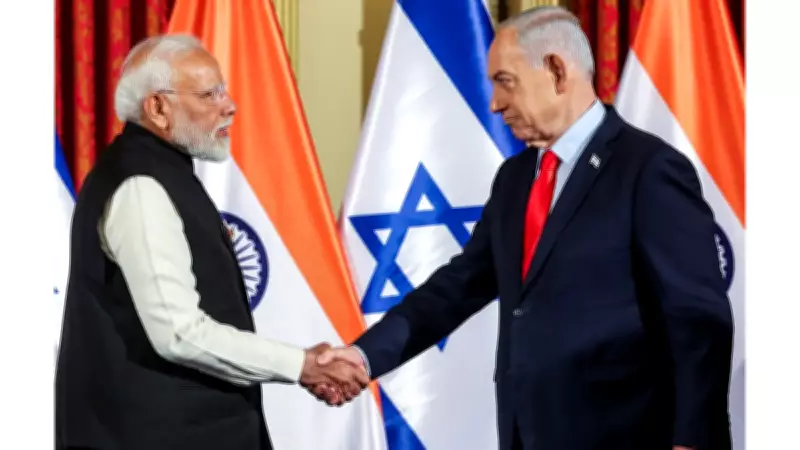
India and Israel have seen a significant strengthening of bilateral relations since the establishment of full diplomatic ties in 1992. In recent years, defense cooperation has grown, with India purchasing advanced Israeli weaponry and technology. The relationship was further solidified during Prime Minister Narendra Modi's historic visit to Israel in 2017, the first by an Indian prime minister.
Netanyahu's mention of India as a friend underscores the mutual respect and shared interests between the two nations. Both countries face common challenges such as terrorism and regional instability, and they have engaged in joint military exercises and intelligence sharing.
Reactions and Implications
The exchange has sparked debate among analysts about the nature of US-Israel relations and Israel's global alliances. Some observers note that while the US remains Israel's most powerful ally, Israel's outreach to other nations is a strategic move to reduce dependency on any single partner.
A spokesperson for the Israeli government later clarified that Netanyahu's comments were not meant to diminish the importance of the US-Israel relationship but to highlight the reality of Israel's international engagements. "The alliance with the United States is unparalleled, but we also value our friendships with countries like India, which contribute to our security and prosperity," the spokesperson said.
This incident occurs against the backdrop of ongoing diplomatic efforts in the Middle East, including the Abraham Accords, which normalized relations between Israel and several Arab nations. The accords have opened new avenues for cooperation, further expanding Israel's network of allies.
Conclusion
Netanyahu's rejection of Vance's 'only allies' remark serves as a reminder of the complex web of international relations in the 21st century. As global powers vie for influence, countries like Israel are leveraging multiple partnerships to advance their strategic interests. The reference to India specifically highlights the growing ties between the two nations, which are likely to deepen in the years ahead.