

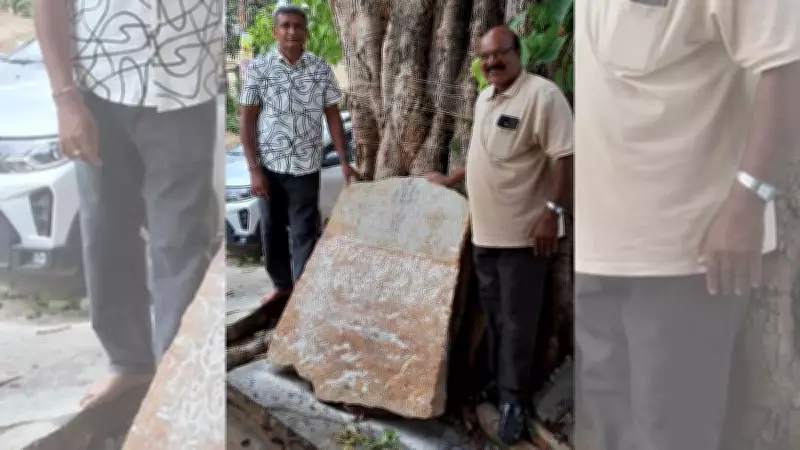
Discovery of the Inscription
A significant inscription shedding light on the land grants made by the Mysore Wadiyars in Hesaraghatta has been unearthed. The inscribed stone, which had been buried underground, was found being worshipped beneath a small shrine. This discovery offers new insights into the historical practices of the Wadiyar dynasty, which ruled the Kingdom of Mysore.
Details of the Grants
The inscription records the allocation of villages and resources to local communities during the Wadiyar period. According to historians, these grants were part of a broader system of patronage that supported temples, agriculture, and local governance. The exact date of the inscription is yet to be determined, but preliminary analysis suggests it dates back several centuries.
Archaeologists from the Mysore Archaeological Department noted that the stone was in good condition despite prolonged exposure. The text, carved in Kannada script, enumerates the specific villages and the extent of land provided.

Historical and Cultural Impact
This find is expected to enhance understanding of the socio-economic structure under the Wadiyars. Dr. R. Gopal, a historian specializing in Karnataka epigraphy, stated, "This inscription is a valuable addition to our knowledge of medieval land revenue systems and rural administration." The discovery also highlights the continuity of worship practices, where ancient stones are revered as local deities.
The Hesaraghatta region, located near Bengaluru, was historically part of the Mysore kingdom and known for its agrarian economy. The grants likely aimed to boost agricultural output and secure loyalty from local chieftains.
Preservation and Study
The Archaeological Survey of India (ASI) has been informed to take charge of the inscription for further study and conservation. Plans are underway to relocate the stone to a museum for public display, while ensuring the religious sentiments of the local community are respected. The discovery has sparked interest among researchers and history enthusiasts, with calls for more such explorations in the region.






