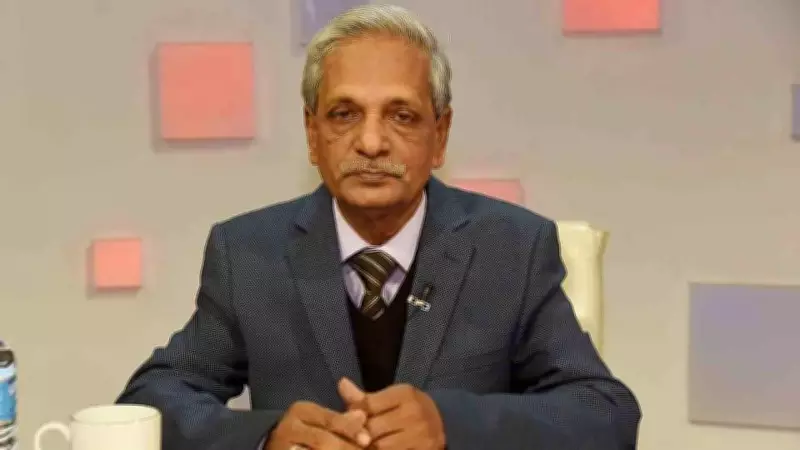
Nitai Roy Chowdhury: A Historic Appointment in Bangladesh's Political Landscape
In a significant development for Bangladesh's diverse political scene, Nitai Roy Chowdhury has emerged as the lone Hindu minister in the newly formed government led by Tarique Rahman. This appointment marks a pivotal moment, highlighting the representation of minority communities in the country's leadership.
Political Journey and Electoral Victory
Nitai Roy Chowdhury, who currently holds the position of vice-president in the Bangladesh Nationalist Party (BNP), secured his ministerial role through a decisive electoral win. On February 12, 2026, he triumphed in the Magura-2 constituency, demonstrating strong local support and paving the way for his entry into the national cabinet.
His victory is not just a personal achievement but also a reflection of the BNP's strategic outreach to various demographic groups across Bangladesh. As a prominent figure within the party, Chowdhury has been instrumental in advocating for inclusive policies and bridging gaps between different religious and ethnic communities.

Role and Significance in the Tarique Rahman Government
Serving under Prime Minister Tarique Rahman, Nitai Roy Chowdhury's appointment carries substantial symbolic and practical weight. As the sole Hindu minister, he represents a minority community that constitutes a significant portion of Bangladesh's population, fostering hopes for greater religious harmony and equitable governance.
This move is expected to influence both domestic and international perceptions of Bangladesh's commitment to diversity and minority rights. Analysts suggest that Chowdhury's presence in the cabinet could enhance policy-making by incorporating diverse perspectives, potentially addressing long-standing issues faced by Hindu communities in the country.
Broader Implications for Bangladesh's Future
The inclusion of Nitai Roy Chowdhury in the government underscores a broader trend towards political inclusivity in Bangladesh. It signals a potential shift in how minority representation is prioritized, which could lead to more balanced and comprehensive legislative efforts.
As Bangladesh continues to navigate complex socio-political dynamics, figures like Chowdhury play a crucial role in shaping a more unified national identity. His leadership may inspire greater participation from minority groups in politics, contributing to a more robust and representative democracy.
Looking ahead, the performance and impact of Nitai Roy Chowdhury in his ministerial capacity will be closely watched by observers both within Bangladesh and globally. His success could set a precedent for future governments, emphasizing the importance of diversity in fostering national progress and stability.