

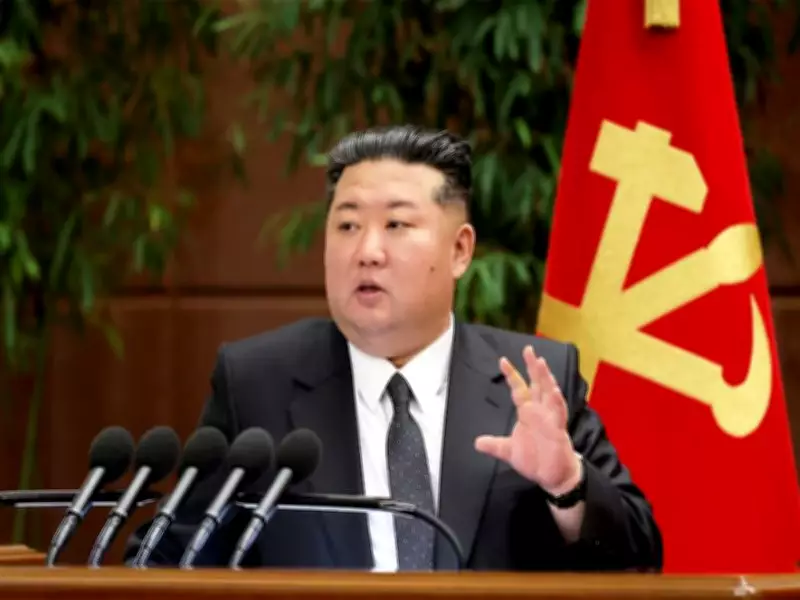
North Korea Steps Up Election Preparations Ahead of Key Parliamentary Vote
North Korea is accelerating its preparations for the upcoming elections to the Supreme People's Assembly, the country's highest legislative body, scheduled to take place next week. According to reports from state media, the government has intensified nationwide mobilization efforts to ensure a high voter turnout and reinforce ideological unity under the leadership of Kim Jong Un.
State Media Highlights Nationwide Campaigns
Korean Central News Agency (KCNA) has been actively covering the election preparations, emphasizing the importance of the event in strengthening the socialist system. The agency reported that local committees across provinces and cities are organizing rallies and educational sessions to encourage citizens to participate in the voting process. These activities are framed as a demonstration of loyalty to the ruling Workers' Party of Korea and its policies.
Key aspects of the preparations include:

- Deployment of election officials to oversee polling stations and ensure procedural compliance.
- Propaganda campaigns through posters, broadcasts, and community meetings to highlight the significance of the elections.
- Security measures to maintain order and prevent any disruptions during the voting period.
Elections as a Tool for Political Consolidation
The Supreme People's Assembly elections in North Korea are largely seen as a formality, with candidates pre-approved by the ruling party and no opposition allowed. However, they serve as a crucial mechanism for the regime to showcase popular support and reinforce its authority. Analysts note that these elections often coincide with periods of heightened political messaging, aimed at projecting stability and unity domestically and internationally.
This year's elections come amid ongoing economic challenges and diplomatic tensions, making the event particularly significant for the North Korean leadership. The government is likely using the occasion to rally public sentiment and divert attention from external pressures, such as international sanctions and regional security issues.
International Observers and Regional Implications
While North Korea does not permit independent international observers, neighboring countries and global analysts closely monitor the elections for insights into the regime's internal dynamics. The outcomes are expected to reaffirm Kim Jong Un's control, with potential implications for future policy directions, including economic reforms or military posturing.
In summary, North Korea's accelerated preparations for the Supreme People's Assembly elections reflect a strategic effort to bolster political legitimacy and maintain social cohesion. As the voting day approaches, the focus remains on how the regime will leverage this event to reinforce its narrative of strength and resilience in the face of global challenges.






