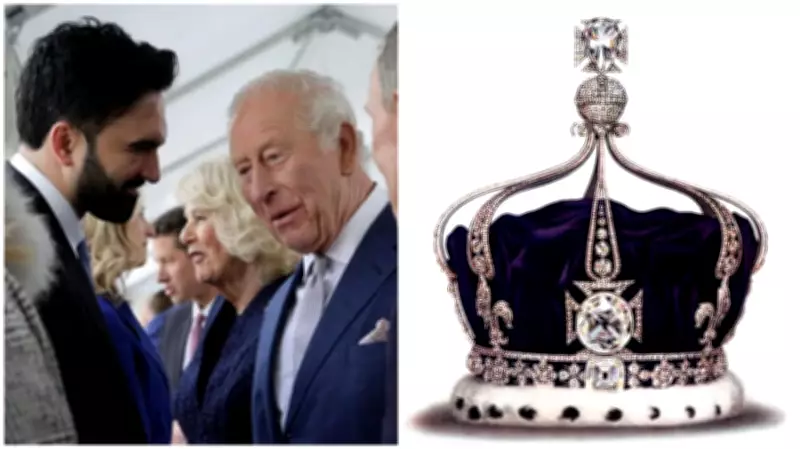
New York City Mayor Zohran Mamdani is facing sharp criticism for what many are calling a 'rude' and inappropriate welcome extended to King Charles III during the British monarch's recent visit to the United States. The controversy erupted after Mamdani publicly called for the return of the historic Koh-i-Noor diamond, a jewel that has been a point of contention between India and the United Kingdom for decades.
Koh-i-Noor Remark Sparks Outrage
During a formal reception held in honor of King Charles III, Mayor Mamdani reportedly raised the issue of the Koh-i-Noor diamond, urging the British monarch to consider repatriating the gem to its country of origin. The Koh-i-Noor, which means 'Mountain of Light,' is a 105.6-carat diamond that was acquired by the British East India Company and has been part of the British Crown Jewels since the 19th century. India, along with several other nations, has long claimed ownership of the diamond, arguing that it was taken during colonial rule.
Critics, however, argue that Mamdani's comments were out of place and disrespectful, given the ceremonial nature of the event. Political analysts and commentators have accused the mayor of failing to 'set aside his obsession with colonialism,' even during a diplomatic visit meant to strengthen ties between the United States and the United Kingdom.

Reactions from Political Circles
The mayor's remarks have drawn ire from both sides of the political spectrum. Conservative voices have labeled the incident as an embarrassment for New York City, while some liberal commentators have expressed disappointment, stating that the mayor missed an opportunity to engage in constructive dialogue rather than confrontational demands. A spokesperson for the British Embassy declined to comment on the specifics of the exchange but emphasized the importance of maintaining respectful diplomatic protocols.
Supporters of Mamdani, however, have defended his stance, arguing that addressing historical injustices is a necessary part of modern diplomacy. They point to the growing global movement for the repatriation of cultural artifacts taken during colonial eras, including the Koh-i-Noor diamond, the Parthenon Marbles, and Benin Bronzes.
Background of the Koh-i-Noor Dispute
The Koh-i-Noor diamond has a long and contested history. Originally mined in India, it passed through the hands of various rulers before being ceded to the British Crown in 1850. Since India's independence in 1947, successive Indian governments have formally requested the return of the diamond, but the UK has consistently refused, citing the terms of the original acquisition and the diamond's status as part of the Crown Jewels.
The issue remains a sensitive topic in UK-India relations, with some British officials arguing that the diamond's return could set a precedent for other claims. The debate has intensified in recent years as former colonies increasingly demand the restitution of cultural heritage.
Mamdani's Diplomatic Misstep?
Mayor Mamdani, known for his progressive views, has not shied away from controversial topics in the past. However, critics argue that the timing and setting of his Koh-i-Noor comment were ill-advised. Diplomatic experts suggest that while the mayor's sentiments may align with a broader anti-colonial narrative, the manner in which they were expressed could be seen as a breach of etiquette, potentially straining relations between New York City and the British monarchy.
In response to the backlash, a representative from the Mayor's office stated that Mamdani stands by his remarks and believes that honest conversations about history are essential for building a more equitable future. The statement added that the mayor has great respect for the King and the British people, but feels strongly that cultural artifacts should be returned to their rightful homes.
As the controversy continues to unfold, it remains to be seen whether the incident will have any lasting impact on diplomatic ties or if it will fade as a momentary lapse in protocol. What is clear, however, is that the Koh-i-Noor diamond remains a symbol of unresolved colonial legacies, and voices like Mamdani's ensure the debate stays alive.