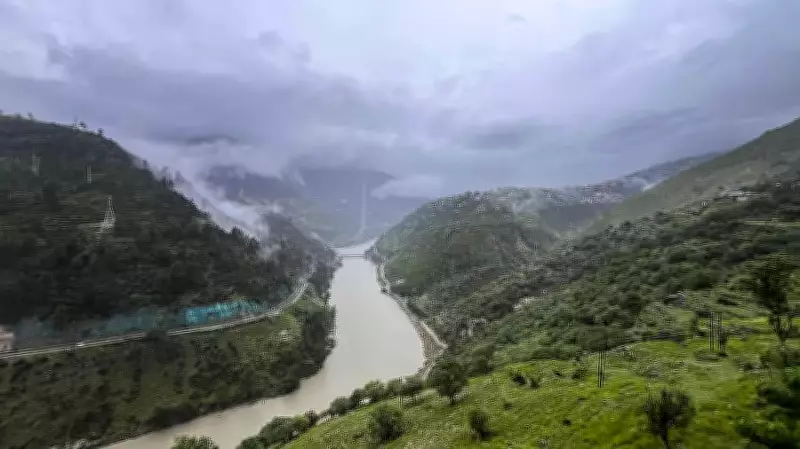
Pakistan has called on India to adhere to the provisions of the Indus Waters Treaty, emphasizing that any unilateral actions concerning transboundary rivers could have severe repercussions for global water security, food production, and climate resilience. The appeal was made during a recent diplomatic exchange, highlighting the critical importance of the treaty in maintaining regional stability.
Background of the Indus Waters Treaty
The Indus Waters Treaty, signed in 1960 between India and Pakistan with the World Bank as a signatory, allocates the use of the Indus River system's waters. Under the treaty, the eastern rivers—Ravi, Beas, and Sutlej—are allocated to India, while the western rivers—Indus, Jhelum, and Chenab—are primarily for Pakistan. The treaty has survived multiple conflicts and is considered a benchmark for transboundary water cooperation.
Pakistan's Concerns
Pakistan's recent statement underscores its apprehension over India's alleged plans to construct new hydroelectric projects on the western rivers. Islamabad argues that such projects could reduce water flow to Pakistan, impacting agriculture and livelihoods. The warning also extends to broader global implications, as water scarcity and climate change intensify.

- Water Security: Unilateral actions may disrupt the delicate balance of water sharing, leading to shortages in Pakistan.
- Food Production: Agriculture, which relies heavily on Indus waters, could face significant setbacks.
- Climate Resilience: The treaty provides a framework for adapting to climate impacts; deviations could weaken regional resilience.
India's Position
India has maintained that its projects are within the treaty's limits and do not violate any clauses. New Delhi emphasizes its commitment to the treaty while pursuing sustainable development. However, Pakistan insists on stricter compliance and has sought international mediation on certain disputes.
Global Implications
Pakistan's warning highlights the interconnected nature of water resources. With climate change exacerbating water stress, experts argue that transboundary water treaties like the Indus Waters Treaty are vital for preventing conflicts. The treaty's dispute resolution mechanism, including the role of the World Bank, is seen as a model for other regions.
- Unilateral actions can set dangerous precedents for other river basins worldwide.
- Food production in South Asia is heavily dependent on the Indus system.
- Climate change demands cooperative management, not unilateral moves.
In conclusion, Pakistan's call for India to respect the Indus Waters Treaty serves as a reminder of the treaty's enduring relevance. As both nations face growing water demands and climate challenges, adherence to the treaty is crucial for regional peace and global stability.