

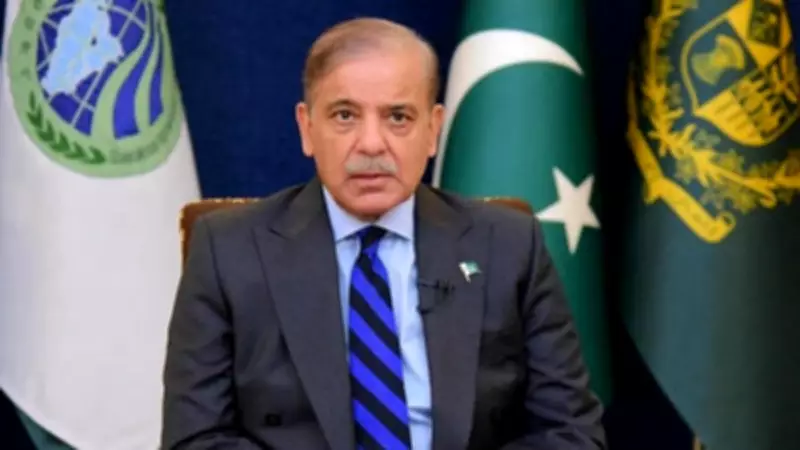
Pakistan Implements Emergency Measures to Tackle Energy Crisis as Oil Prices Soar
In response to a sharp increase in global oil prices, the Pakistani government has announced a series of emergency measures aimed at reducing energy consumption across the country. This move comes as the nation grapples with economic pressures and seeks to mitigate the impact of rising fuel costs on its already strained resources.
School Closures and Public Sector Adjustments
The most notable action taken by authorities is the temporary closure of schools. This decision is part of a broader strategy to cut down on electricity usage, as educational institutions are significant consumers of power. By shutting down schools, the government hopes to achieve substantial energy savings, thereby alleviating some of the burden on the national grid.
In addition to school closures, other public sector entities are expected to adjust their operations. This may include reduced working hours for government offices and the implementation of energy-efficient practices in public buildings. These steps are designed to set an example for the private sector and encourage widespread adoption of conservation efforts.

Impact of Global Oil Price Surge
The surge in global oil prices has placed immense pressure on Pakistan's economy, which heavily relies on imported fuel. The country's energy sector is particularly vulnerable to fluctuations in international markets, leading to increased costs for electricity generation and transportation. This, in turn, has contributed to higher inflation and economic instability, prompting the government to take swift action.
Experts warn that without these measures, Pakistan could face severe energy shortages and further economic downturns. The government's proactive approach aims to preempt such scenarios by reducing demand and promoting sustainable energy use.
Broader Energy-Saving Initiatives
Beyond school closures, the Pakistani government is rolling out a comprehensive plan to enhance energy efficiency nationwide. This includes:
- Promoting renewable energy sources: Encouraging the adoption of solar and wind power to diversify the energy mix and reduce dependence on oil.
- Public awareness campaigns: Educating citizens on simple ways to conserve energy at home and in workplaces.
- Incentives for businesses: Offering tax breaks and subsidies to companies that implement energy-saving technologies.
These initiatives are part of a long-term strategy to build a more resilient energy infrastructure that can withstand future price shocks.
Challenges and Future Outlook
While the measures are necessary, they also pose challenges, particularly for students and families affected by school closures. The government has assured that alternative learning methods, such as online classes, will be explored to minimize disruption to education.
Looking ahead, Pakistan's ability to navigate this energy crisis will depend on the effectiveness of these measures and global market trends. If oil prices continue to rise, further actions may be required, underscoring the need for a sustainable energy policy.
In conclusion, Pakistan's decision to close schools and implement energy-saving measures reflects a critical response to an escalating global issue. By taking these steps, the government aims to protect the economy and ensure a stable energy supply for its citizens.






