

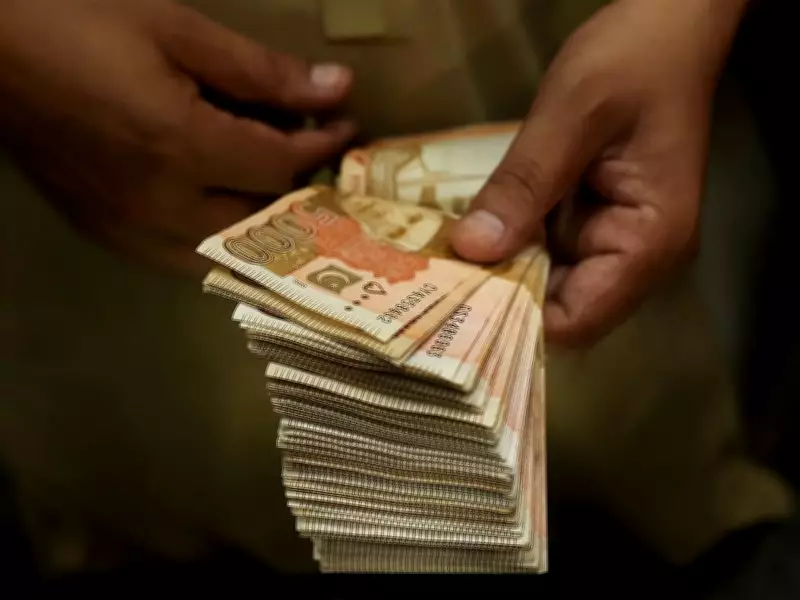
Pakistan's economy is gasping for breath as the ongoing war in the Middle East triggers double-digit inflation, exacerbating the country's existing economic woes. The conflict has led to a surge in global oil prices, which directly impacts Pakistan's energy import bill, and has disrupted supply chains, causing food prices to skyrocket.
Impact on Energy and Food Prices
The Middle East conflict has pushed international oil prices above $90 per barrel, significantly increasing Pakistan's import costs. As a result, domestic fuel prices have risen by over 15% in the past month, affecting transportation and production costs across all sectors. Additionally, the war has disrupted wheat and edible oil supplies from the region, leading to a 20% increase in food prices. This has hit low-income households the hardest, with many struggling to afford basic necessities.
Inflation Rate Surges
Pakistan's Consumer Price Index (CPI) has jumped to 12.5% in the latest reading, up from 9.8% the previous month. Core inflation, which excludes volatile food and energy items, has also risen to 8.2%. The central bank is under pressure to hike interest rates further, but this could stifle economic growth, which is already projected to be below 2% this year.

Government Response and Challenges
The government has announced a subsidy package for essential items, but critics argue it is insufficient given the scale of the crisis. The finance minister stated that the country is in talks with the International Monetary Fund for a bailout package, but negotiations have been stalled due to policy disagreements. Meanwhile, the rupee continues to weaken against the dollar, adding to inflationary pressures.
Long-Term Outlook
Economists warn that without a swift resolution to the Middle East conflict and structural reforms, Pakistan's economy could face a prolonged period of stagflation. The country's foreign exchange reserves remain dangerously low, covering only two months of imports. The government is exploring options to secure oil supplies from alternative sources, but this will take time and require significant investment.
In summary, the Middle East war has dealt a severe blow to Pakistan's fragile economy, with double-digit inflation eroding purchasing power and threatening political stability. Immediate measures are needed to provide relief to the population and prevent a full-blown economic crisis.






