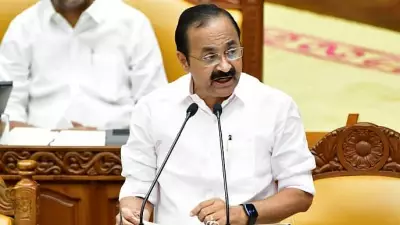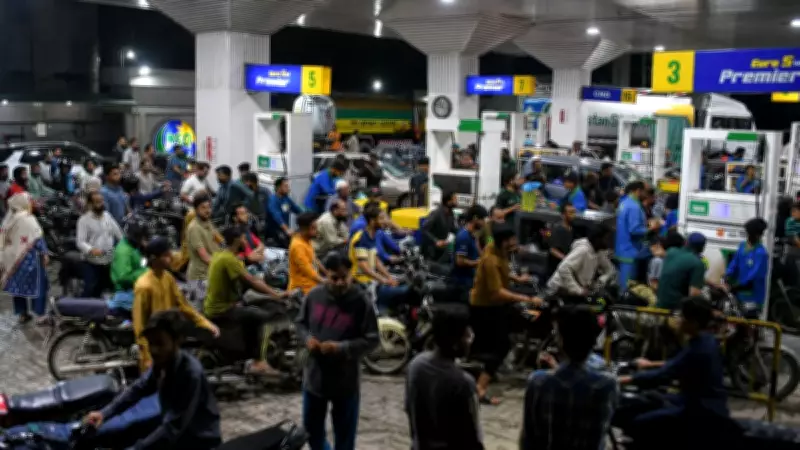
In a startling admission, Pakistan's Petroleum Minister Musadik Malik has revealed that the country possesses no strategic fuel reserves, starkly contrasting with neighboring India's robust emergency stockpiles. The confession came during a press conference in Islamabad, where Malik addressed the nation's escalating fuel crisis that has led to long queues at petrol stations and disrupted daily life across the country.
Minister's Acknowledgment of Vulnerability
Malik stated, "Unlike India, we have no strategic petroleum reserves to fall back on during emergencies. This exposes our economy to severe shocks from global price fluctuations and supply disruptions." He emphasized that Pakistan's fuel storage capacity is minimal, with only enough for a few days of consumption, whereas India maintains reserves sufficient for several weeks.
Impact on Economy and Citizens
The minister's remarks come amid a severe fuel shortage that has paralyzed transportation and industry in Pakistan. The crisis has been exacerbated by soaring global oil prices, a weakened Pakistani rupee, and depleting foreign exchange reserves. Citizens have faced hours-long waits for fuel, with many unable to access essential services. Malik warned that without immediate reforms, the situation could worsen, potentially leading to a complete shutdown of economic activities.

Comparison with India's Strategic Reserves
India, in contrast, has invested heavily in strategic petroleum reserves (SPRs) located at underground caverns in Visakhapatnam, Mangalore, and Padur. These reserves can cover approximately 9.5 days of the country's oil needs, providing a buffer against supply disruptions. Additionally, India's public sector oil companies maintain their own stocks, further enhancing energy security. Malik's admission highlights the vast disparity in energy planning between the two nations.
Government's Response and Future Plans
In response to the crisis, the Pakistani government has announced emergency measures, including increased imports and rationing of fuel. However, Malik acknowledged that long-term solutions require significant investment in storage infrastructure and diversification of energy sources. He urged international partners and friendly nations to assist Pakistan in building its strategic reserves.
The minister's candid assessment has sparked debate within Pakistan about the country's energy policy and its reliance on imports. Critics argue that successive governments have neglected energy security, leaving the nation vulnerable to external shocks. As Pakistan grapples with its worst economic crisis in decades, the fuel shortage serves as a stark reminder of the urgent need for structural reforms.