

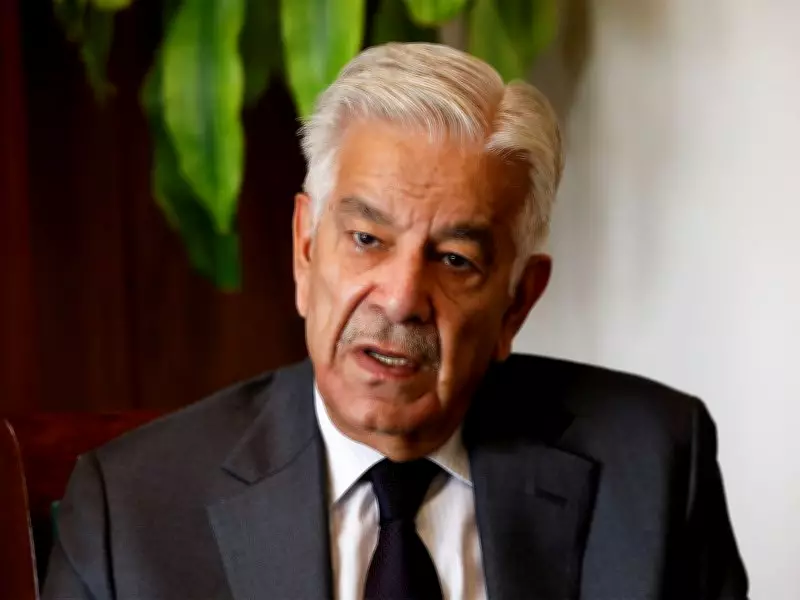
Pakistan has firmly rejected the Abraham Accords, stating that the normalization agreements with Israel are not acceptable. This comes after former US President Donald Trump directed Pakistan to sign the accords, a move that has been met with strong opposition from Islamabad.
Background of the Abraham Accords
The Abraham Accords, brokered by the Trump administration in 2020, normalized relations between Israel and several Arab nations, including the United Arab Emirates, Bahrain, Morocco, and Sudan. However, Pakistan has consistently refused to recognize Israel and has maintained a pro-Palestinian stance.
Pakistan's Stance
In a recent statement, the Pakistani government reiterated that any normalization with Israel would be against the country's principles and the aspirations of the Palestinian people. The foreign office emphasized that Pakistan's position on the Palestinian issue is clear and unwavering.

The rejection comes despite pressure from the United States, which has been encouraging Pakistan to join the accords as part of broader regional integration. However, Islamabad has made it clear that it will not compromise on its support for Palestine.
Regional Reactions
The development has been closely watched in the Middle East, where the Abraham Accords have been a contentious issue. While some countries have embraced normalization, others, like Pakistan, have remained steadfast in their opposition. The rejection may also impact Pakistan's relations with the United States and other Gulf nations.
Analysts believe that Pakistan's decision could further isolate it diplomatically, but the government appears willing to bear the consequences. The move is seen as a reflection of public sentiment in Pakistan, where support for Palestine remains strong.
Implications for US-Pakistan Relations
The rejection of the Abraham Accords is likely to strain ties between Washington and Islamabad. The United States has been pushing for broader recognition of Israel in the Muslim world, and Pakistan's refusal could be viewed as a setback. However, Pakistan has historically maintained a independent foreign policy, often diverging from US interests.
It remains to be seen how the Biden administration will respond to Pakistan's decision. The US has not officially commented on the matter, but it is expected to continue its efforts to expand the Abraham Accords.
In conclusion, Pakistan's rejection of the Abraham Accords underscores the deep divisions in the region over the Israeli-Palestinian conflict. While the accords have brought some countries closer to Israel, others remain resolute in their support for Palestinian statehood.






