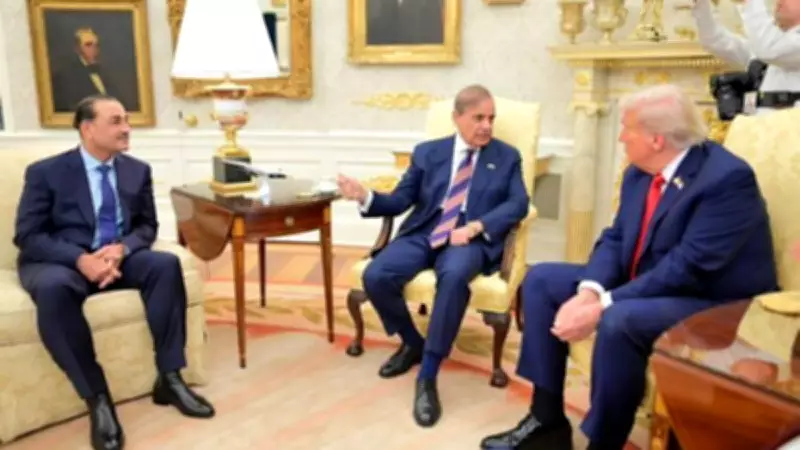
Pakistan Declines Trump's Abraham Accords Expansion
Pakistan has formally rejected the United States' push to join the Abraham Accords, a series of normalization agreements between Israel and Arab nations brokered by the Trump administration. The decision underscores Islamabad's prioritization of its long-standing ties with Iran and its support for the Iran nuclear deal, officially known as the Joint Comprehensive Plan of Action (JCPOA).
Reasons Behind Pakistan's Rejection
According to diplomatic sources, Pakistan's refusal stems from its desire to maintain a balanced foreign policy and avoid entanglement in regional conflicts. Officials in Islamabad have emphasized that normalization with Israel would compromise Pakistan's stance on the Palestinian issue and undermine its strategic relationship with Iran. The Abraham Accords, which saw the United Arab Emirates, Bahrain, Sudan, and Morocco establish diplomatic ties with Israel, were hailed by Washington as a breakthrough for Middle East peace. However, Pakistan views the accords as detrimental to the resolution of the Israeli-Palestinian conflict.
Furthermore, Pakistan is a staunch supporter of the JCPOA, which limits Iran's nuclear program in exchange for sanctions relief. The Trump administration withdrew from the deal in 2018, leading to increased tensions between Washington and Tehran. Pakistan fears that joining the Abraham Accords could jeopardize its role as a mediator and its economic cooperation with Iran, including energy imports and trade.

Regional Implications
Pakistan's decision is likely to strain its relations with the United States, which has been pushing for broader regional integration. However, Islamabad remains committed to fostering peace in South Asia and the Middle East through dialogue and diplomacy. The rejection also highlights the growing divide between U.S. and Pakistani interests, particularly regarding Iran and the future of the JCPOA.
Analysts suggest that Pakistan's move could embolden other Muslim-majority nations to resist U.S. pressure to normalize ties with Israel. Meanwhile, Iran has welcomed Pakistan's stance, with Tehran calling it a "wise decision" that supports regional stability. The development comes as the Biden administration explores reviving the Iran nuclear deal, a process that Pakistan has offered to facilitate.
Conclusion
Pakistan's rejection of the Abraham Accords reflects its independent foreign policy and commitment to longstanding alliances. While the move may disappoint Washington, it reinforces Islamabad's position as a key player in regional diplomacy, balancing relations with both the United States and Iran.