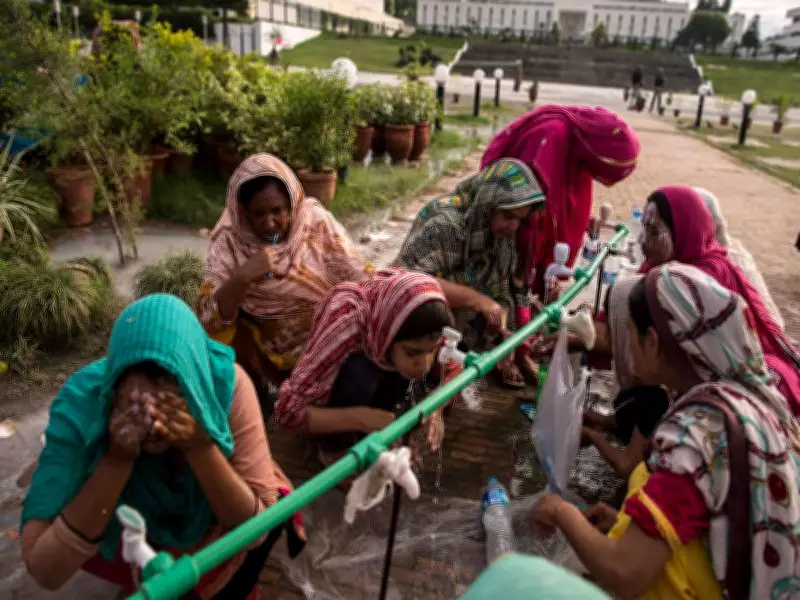
Pakistan's water mismanagement has pushed the twin cities of Rawalpindi and Islamabad towards a severe crisis, with experts warning of dire consequences for public health and agriculture if urgent reforms are not implemented.
Escalating Water Shortage
The region is facing an acute water shortage, exacerbated by poor governance, outdated infrastructure, and climate change. The Rawalpindi Development Authority (RDA) and the Capital Development Authority (CDA) have struggled to meet the growing demand, leading to frequent disruptions in water supply.
Impact on Daily Life
Residents in many areas are forced to rely on water tankers, often at exorbitant prices. The crisis has hit low-income neighborhoods hardest, where access to clean water is limited, increasing the risk of waterborne diseases. Hospitals in Rawalpindi have reported a surge in cases of diarrhea and typhoid.

Agricultural Losses
The water shortage has also devastated agriculture in the surrounding regions. Farmers in the Potohar plateau, which relies heavily on rainfall and groundwater, have seen crop yields plummet. The lack of irrigation water has forced many to abandon farming, leading to economic distress and food insecurity.
Root Causes
Experts attribute the crisis to a combination of factors. The population of Rawalpindi and Islamabad has grown rapidly, but water infrastructure has not kept pace. The region's water reservoirs, including the Rawal Lake and Khanpur Dam, are silting up, reducing their capacity. Additionally, water theft and illegal connections are rampant, with authorities failing to enforce regulations.
Climate Change Aggravation
Climate change has further strained water resources. Reduced snowfall in the Himalayas has led to lower river flows, while erratic rainfall patterns have made groundwater recharge unpredictable. The Pakistan Meteorological Department has warned that the region could face more frequent and severe droughts in the coming years.
Government Response
The government has announced several measures to address the crisis, including the construction of new dams and the rehabilitation of existing water supply systems. However, critics argue that these efforts are too slow and lack the necessary investment. The delay in the construction of the Diamer-Bhasha Dam, which could provide significant relief, has been a particular point of contention.
Call for Urgent Reforms
Water experts are calling for a comprehensive approach that includes demand management, rainwater harvesting, and stricter enforcement of water laws. They also emphasize the need for public awareness campaigns to promote water conservation. Without immediate action, the crisis in Rawalpindi and Islamabad is likely to worsen, with severe implications for the region's future.