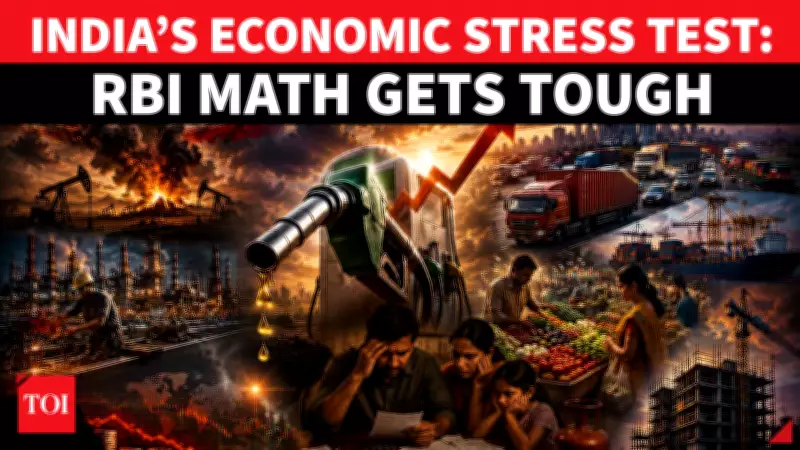
India is facing mounting economic pressure as the US-Iran conflict pushes up crude oil prices, weakens the rupee, and fuels inflation fears. The rising petrol and diesel prices are impacting household budgets, food inflation, transport costs, RBI policy decisions, and India's Balance of Payments (BoP). Chief Economic Advisor V Anantha Nageswaran has called this a 'live balance of payments stress test'. The question is whether the RBI can control inflation without hurting growth and how serious the risks are to India's economy if oil prices remain elevated.
Impact on Household Budgets
Rising petrol and diesel prices directly increase transportation costs, which in turn raise the prices of essential goods. Households are forced to spend more on fuel, leaving less disposable income for other expenses. This is particularly burdensome for middle and lower-income families who rely on personal vehicles for daily commuting.
Food Inflation and Transport Costs
Higher fuel prices lead to increased freight costs, which are passed on to consumers through higher food prices. Perishable items like fruits, vegetables, and dairy products are especially vulnerable. The overall inflation rate is pushed upward, making it harder for the RBI to maintain price stability.

RBI Policy Dilemma
The RBI faces a tough choice between controlling inflation and supporting economic growth. Raising interest rates to curb inflation could slow down economic activity, while keeping rates low might fuel further price increases. The central bank's monetary policy decisions are closely watched as it navigates this challenging environment.
Balance of Payments Stress
India imports a significant portion of its crude oil, so higher global prices widen the trade deficit and put pressure on the current account deficit (CAD). This weakens the rupee, making imports even more expensive. The BoP situation becomes strained, requiring careful management of foreign exchange reserves.
Government Measures
The government has taken steps such as reducing excise duties on petrol and diesel to provide relief, but these measures have fiscal implications. Further policy actions may be needed to mitigate the impact on consumers and the economy.
Long-term Risks
If oil prices remain elevated for an extended period, India's economic growth could be significantly impacted. Higher input costs for industries, reduced corporate profits, and lower consumer spending could lead to a slowdown. The RBI and government must coordinate their efforts to ensure macroeconomic stability.