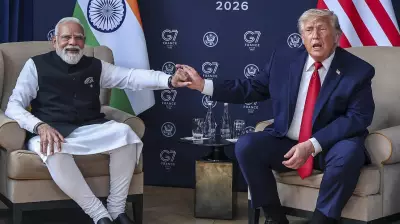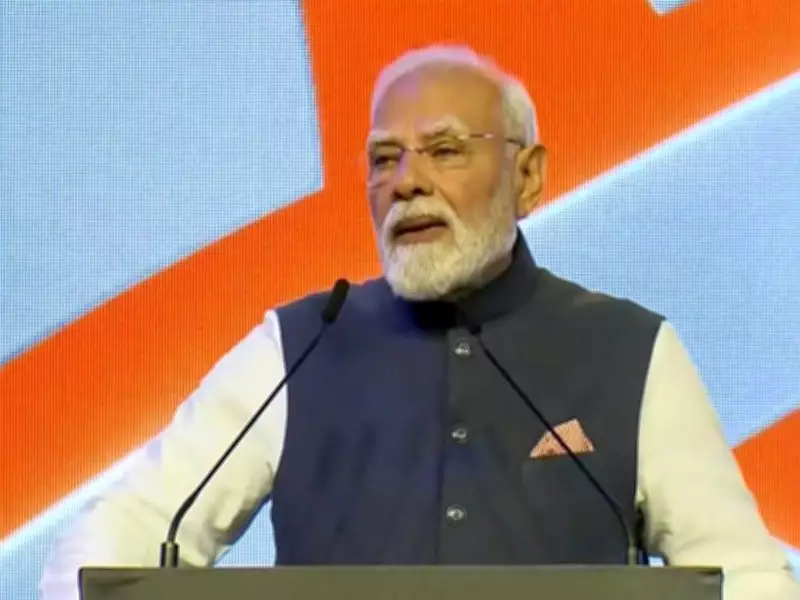
Prime Minister Narendra Modi extended greetings to the Maori community on the occasion of the Maori New Year, Matariki, during a Gala Lunch hosted by New Zealand Prime Minister Christopher Luxon in Auckland on July 11, 2026. Modi drew a cultural link between New Zealand's Matariki star cluster and India's ancient 'Kritika' constellation, emphasizing the deep civilisational connections between the two countries.
Shared Cultural Symbolism
Addressing the gathering, PM Modi said, "I extend my heartiest congratulations to all of you on the Maori New Year, Matariki. Just as the star cluster here is named 'Matariki', as you also mentioned, it has been known in India as the 'Kritika' constellation since ancient times. I am confident that this year of 'Matariki' will inspire our relations to shine like these stars."
Matariki is a star cluster that appears in the early morning sky in New Zealand during mid-winter. It is among the brightest clusters visible in the sky and contains hundreds of member stars. The cluster is observed globally from different parts of the world at various times of the year.

Observance and Public Holiday
Matariki is observed during mid-winter, generally from late May to early July, with dates varying depending on tribal traditions and geographical locations. In 2026, Matariki falls from July 8 to July 11, marking the reappearance of the constellation. The occasion is observed as a public holiday in New Zealand on Friday, July 10.
Earlier, Prime Minister Luxon highlighted that Modi's historic visit coincided with Matariki, known as Krittika in Indian tradition. Luxon said both nations share the same stars and a common vision for a prosperous future as they elevated their bilateral ties to a Strategic Partnership.
Strategic Partnership and Cultural Alignment
Welcoming PM Modi at the Gala Lunch, Luxon said, "It is fitting that your visit coincides with Matariki, the Maori New Year, which is, of course, a time to remember, to reflect and to look ahead. The same star cluster is known in Indian tradition as Kritika. Though called by different names, we share the same stars, and we share the same hope for prosperity and renewal."
Luxon acknowledged the indigenous Maori people, Ngati Whatua Orakei, for their outstanding hosting of Matariki and their historical contributions. In 1840, the prominent chief of Ngati Whatua, Apihai Te Kawau, invited Governor William Hobson to establish the capital of the new colony on the shores of the Waitemata Harbour. The tribe provided approximately 3,000 acres of land to the British Crown to start the settlement of Auckland.
Impact on Bilateral Relations
The cultural alignment and the unprecedented momentum injected into the bilateral relationship were highlighted during the event. The shared symbolism of the star cluster reflects the deep civilisational connections between India and New Zealand, reinforcing their commitment to a strategic partnership for a prosperous future.