

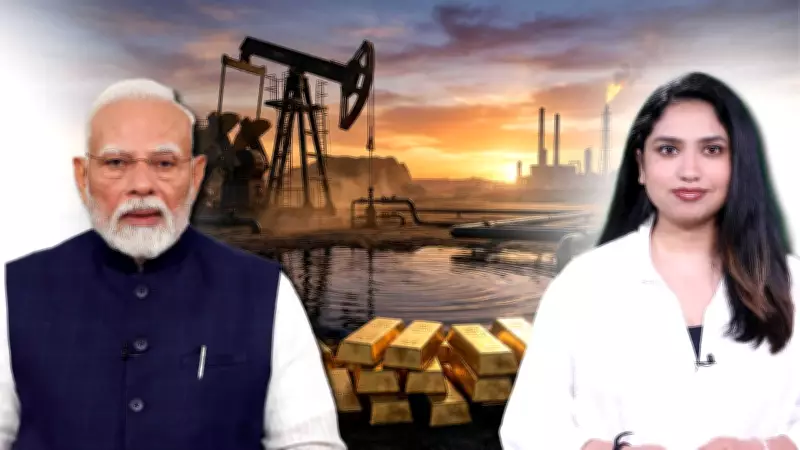
Prime Minister Narendra Modi has urged citizens to reduce fuel consumption, avoid unnecessary foreign travel, and postpone buying gold for a year amid rising economic pressure caused by the West Asia crisis. With oil prices surging due to the prolonged Strait of Hormuz blockade, India's foreign exchange reserves are facing increasing stress. The government says the measures are precautionary steps aimed at protecting the economy from global instability and rising import costs.
Understanding the Economic Situation
The ongoing conflict in West Asia has disrupted global oil supply chains, particularly through the Strait of Hormuz, a critical passage for oil tankers. This has led to a sharp increase in crude oil prices, directly impacting India, which imports a significant portion of its oil. The rising import bill has put pressure on the country's foreign exchange reserves, prompting the government to advise voluntary cutbacks in non-essential spending.
Impact on Ordinary Indians
For the average citizen, these recommendations translate into practical lifestyle adjustments. Reducing fuel consumption could involve carpooling, using public transport, or opting for fuel-efficient vehicles. Avoiding foreign travel means postponing vacations or business trips abroad, while deferring gold purchases for a year could help curb demand for imported gold. These steps are designed to collectively ease the strain on the nation's finances.

The government emphasizes that these are precautionary measures, not mandatory restrictions. The goal is to build a buffer against global economic volatility and ensure long-term stability. Citizens are encouraged to view these actions as a patriotic contribution to national economic resilience.






