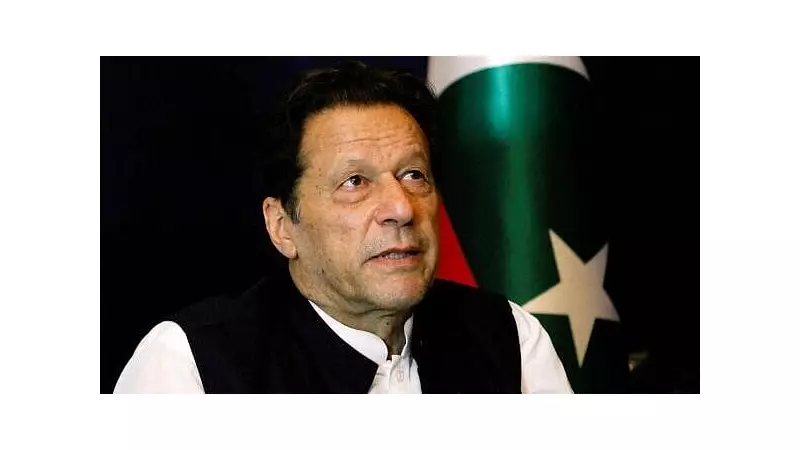
Former Pakistani Prime Minister Imran Khan's political party, Pakistan Tehreek-e-Insaf (PTI), has made serious allegations of a widespread crackdown by authorities ahead of a planned major protest. The party claims that thousands of its supporters and key leaders have been arrested across the country in an attempt to sabotage their protest movement.
Nationwide Crackdown Ahead of Protest
The PTI had called for a significant protest, termed a 'long march', towards the capital city of Islamabad. This demonstration was planned to demand fresh general elections. However, in the days leading up to the event, party officials reported a sweeping pre-emptive strike by law enforcement agencies. Senior PTI leader Shireen Mazari stated that over 2,000 party workers were detained in Punjab province alone. Similar arrests were reported from other regions including Khyber Pakhtunkhwa.
Prominent figures were not spared. Among those reportedly arrested were former human rights minister Shireen Mazari, Andaleeb Abbas, and Maleeka Bokhari. The party's social media accounts actively listed the names of detained individuals, calling for their release. Authorities have defended these actions, stating they were necessary to maintain public order and prevent violence.

Internet Disruptions and Police Action
Adding to the climate of tension, residents and journalists in Islamabad and Rawalpindi reported significant disruptions to mobile internet services on the day the protest was scheduled. This move is widely seen as an attempt to hinder mobilization and communication among protest organizers and participants. Police and paramilitary forces erected heavy containers and barricades at key entry points to Islamabad, effectively sealing off the city's main avenues to prevent the march from proceeding.
In Lahore, police conducted raids at the homes of several PTI leaders. The party's central secretariat was also reportedly raided by law enforcement personnel. These actions paint a picture of a coordinated effort to dismantle the protest's organizational structure before it could begin.
Political Context and Implications
The current political crisis stems from the ouster of Imran Khan from the prime minister's office in April through a no-confidence vote. Khan has since led a relentless campaign against the new coalition government, alleging that his removal was orchestrated by the United States—a charge denied by both Washington and the current Pakistani administration. Khan has been demanding immediate elections, but the government has stated that polls will be held as scheduled in 2023.
The crackdown highlights the deepening political instability in Pakistan. The use of pre-emptive arrests and internet restrictions reflects the government's determination to control street protests, while PTI's allegations of political victimization fuel further discontent among its substantial support base. The situation remains fluid, with the potential for further escalation as Khan's party vows to continue its struggle for early elections.
The international community is closely watching these developments, concerned about stability in a nuclear-armed nation facing severe economic challenges. The coming days will be crucial in determining whether the political standoff finds a democratic resolution or leads to more confrontation.