Arvind Kejriwal Accuses Rival Parties of Exacerbating Punjab's Drug Epidemic
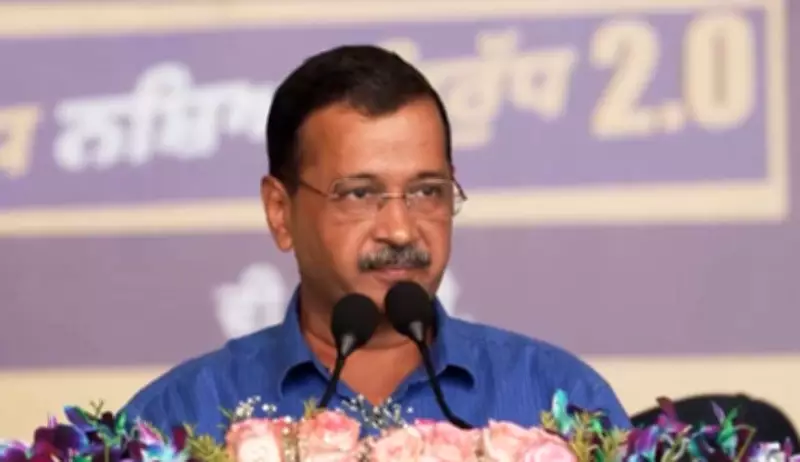
Delhi Chief Minister and Aam Aadmi Party (AAP) national convener Arvind Kejriwal has launched a scathing attack on the Congress, Shiromani Akali Dal (SAD), and Bharatiya Janata Party (BJP), accusing them of actively pushing the state of Punjab into a severe drug crisis. In a recent public address, Kejriwal urged voters to decisively reject these parties in the upcoming elections to safeguard the future of Punjab.
Allegations of Political Complicity in Drug Menace
Kejriwal asserted that the drug problem in Punjab has been systematically fueled by the policies and governance failures of the Congress, SAD, and BJP during their respective tenures. He highlighted that these parties have not only failed to curb the illicit drug trade but have, in some instances, been complicit in its proliferation. The AAP leader emphasized that the youth of Punjab are particularly vulnerable, with addiction rates soaring under the watch of these traditional political forces.
The Delhi CM pointed to historical data and ongoing law enforcement challenges as evidence of negligence. He argued that the drug epidemic has led to widespread social and economic deterioration, affecting families and communities across the state. Kejriwal's remarks come amid heightened political campaigning, with AAP positioning itself as the sole alternative capable of addressing this critical issue.

Call to Action for Punjab Voters
In his appeal, Kejriwal called upon the electorate to use their voting power to hold these parties accountable. He stated that a vote for Congress, SAD, or BJP would be a vote for continued drug abuse and corruption, whereas supporting AAP would pave the way for comprehensive reforms and a drug-free Punjab. Kejriwal outlined AAP's proposed strategies, which include:
- Strengthening law enforcement and intelligence networks to dismantle drug cartels.
- Implementing robust rehabilitation programs for addicts.
- Promoting community awareness and preventive education in schools and colleges.
He stressed that only a government with a clean track record and a genuine commitment to public welfare can effectively tackle such deep-rooted problems. Kejriwal's speech aimed to galvanize support by framing the election as a choice between perpetuating the status quo and ushering in transformative change.
Political Repercussions and Electoral Dynamics
This accusation adds a volatile dimension to the political landscape in Punjab, where drug abuse has long been a contentious electoral issue. The Congress, SAD, and BJP have previously faced criticism over their handling of the crisis, but Kejriwal's direct indictment intensifies the scrutiny. Analysts suggest that his focus on this topic could resonate with voters, especially in rural and semi-urban areas hardest hit by addiction.
The upcoming polls are seen as a critical test for AAP's expansion beyond Delhi. By centering its campaign on governance failures related to drugs, AAP seeks to differentiate itself from established parties and capitalize on public discontent. Kejriwal's message underscores a broader narrative of accountability and proactive governance, which he claims is lacking among his rivals.
As the election season heats up, responses from the accused parties are anticipated, potentially leading to a fierce debate over policy records and future promises. Voters in Punjab will ultimately decide whether Kejriwal's allegations hold weight and if AAP's vision offers a viable solution to one of the state's most pressing challenges.