

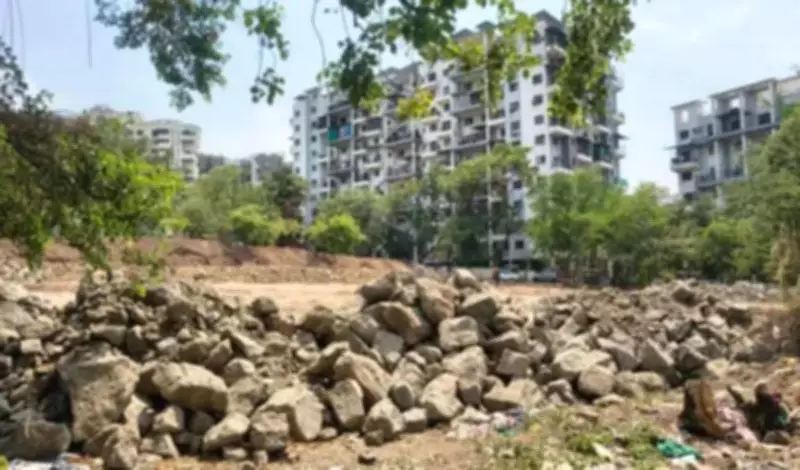
The Pune forest department is set to develop a Miyawaki forest on a one-hectare plot along NIBM Road, in collaboration with the Anandvan Foundation. This initiative aims to strengthen urban biodiversity through dense, native plantations.
Addressing Concerns and Methodology
The project comes after earlier tree removal at the site raised concerns among residents. Bhupesh Sharma, botanist and co-founder of the Anandvan Foundation, explained that the Miyawaki method creates dense, multi-layered forests in small urban spaces. Originally developed in Japan, this technique involves planting saplings closer together so they compete for sunlight, growing faster and taller. The method mimics natural forest structures, with shrubs, medium-height trees, and taller species growing together, enabling forests to establish quickly and become self-sustaining.
Transition to Native Species
At the site beside the Bramha Majestic housing society, gliricidia plantations since the 1990s have enriched the soil by fixing nitrogen. Now that the soil is healthier, the team is transitioning to native species such as karanj, kanchan, amla, and others that support local biodiversity. These species attract birds like sunbirds and sparrows, helping restore ecological balance.

Sharma also explained how this shift could influence wildlife movement. Gliricidia leaves act as a natural rat repellent, driving rodents away from the area and into nearby residential societies. Snakes that prey on these rats tend to follow them. By replacing gliricidia with native plant species, the habitat becomes more suitable for rats to remain within the forested area, keeping their predators, including snakes, within that ecosystem and reducing their movement into surrounding neighbourhoods.
Planting Process and Community Involvement
Suresh Warak, RFO Wanowrie, detailed the planting process: "We are currently preparing the plot for the Miyawaki plantation by loosening and enriching the soil. The plantation will follow a layered approach, using compost, rice husk, and moisture-retaining materials to ensure strong and sustainable growth. We will begin plantation work with the arrival of the monsoon, likely in late June." He added, "Citizens will be invited to participate, because building and protecting such forests requires collective responsibility and long-term commitment."
Warak also noted that similar projects are being planned across multiple locations in the city, including another plot in Kondhwa towards Undri.






