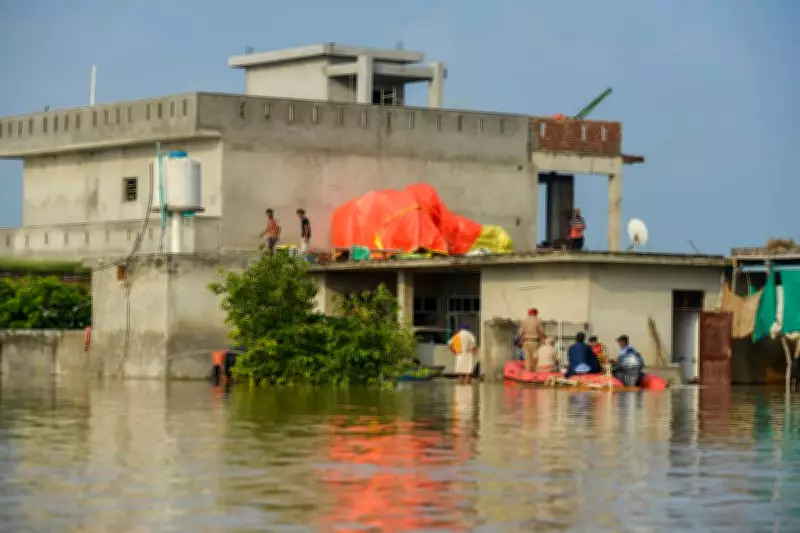
In a remarkable tale of survival and perseverance, a man from Punjab has been reunited with his family after being swept across the border into Pakistan by catastrophic floods, an ordeal that lasted nearly three years. This extraordinary incident underscores the unpredictable and often devastating power of natural disasters, while also highlighting the crucial role of humanitarian efforts in facilitating cross-border reunifications.
A Harrowing Journey Across Borders
The man, whose identity has been kept confidential to protect his privacy, was caught in the midst of severe flooding that ravaged parts of Punjab. The powerful floodwaters, fueled by heavy monsoon rains, carried him across the international border into Pakistan, where he found himself stranded in a foreign land without any means of communication or identification. This sudden and involuntary displacement plunged him into a state of uncertainty and fear, as he navigated the challenges of survival in an unfamiliar environment.
The Struggle for Survival and Identity
For over two and a half years, the man faced immense hardships, including language barriers, lack of resources, and the constant anxiety of being separated from his loved ones. His journey was marked by moments of despair, as he struggled to make sense of his situation and find a way back home. Despite these obstacles, he demonstrated remarkable resilience, relying on the kindness of strangers and local communities in Pakistan who provided him with shelter and basic necessities.

During this time, his family in Punjab endured their own agony, not knowing his fate or whereabouts. They made numerous appeals to authorities and humanitarian organizations, hoping for any news that could lead to his safe return. The emotional toll on both sides was profound, with each passing day adding to their anguish and longing for reunion.
Humanitarian Efforts Pave the Way for Reunion
The breakthrough came through coordinated efforts between Indian and Pakistani authorities, along with the assistance of international humanitarian agencies. These organizations worked tirelessly to verify the man's identity and facilitate the necessary paperwork for his repatriation. The process involved delicate diplomatic negotiations and a commitment to humanitarian principles, emphasizing the importance of putting human lives above political tensions.
After months of meticulous verification and logistical arrangements, the man was finally able to cross back into India, where he was greeted by his overjoyed family in an emotional reunion. The moment was filled with tears of relief and happiness, marking the end of a long and painful chapter in their lives. This reunion serves as a powerful reminder of the enduring bonds of family and the hope that persists even in the face of overwhelming adversity.
Lessons Learned and Future Implications
This incident sheds light on the broader issues of disaster management and cross-border cooperation in South Asia. Floods and other natural disasters often transcend political boundaries, affecting communities on both sides of the border. It underscores the need for enhanced bilateral mechanisms to address such humanitarian crises promptly and effectively.
Moreover, the story highlights the resilience of individuals who, despite being thrust into unimaginable circumstances, find the strength to endure and eventually reunite with their loved ones. It also calls attention to the vital role of humanitarian organizations in bridging gaps and providing support to those in need, regardless of nationality or political affiliations.
As climate change continues to exacerbate extreme weather events, such stories may become more common, necessitating stronger preparedness and response strategies. The reunion of this Punjab man with his family after 2.8 years is not just a personal victory but also a testament to the power of compassion and cooperation in overcoming the challenges posed by natural disasters.