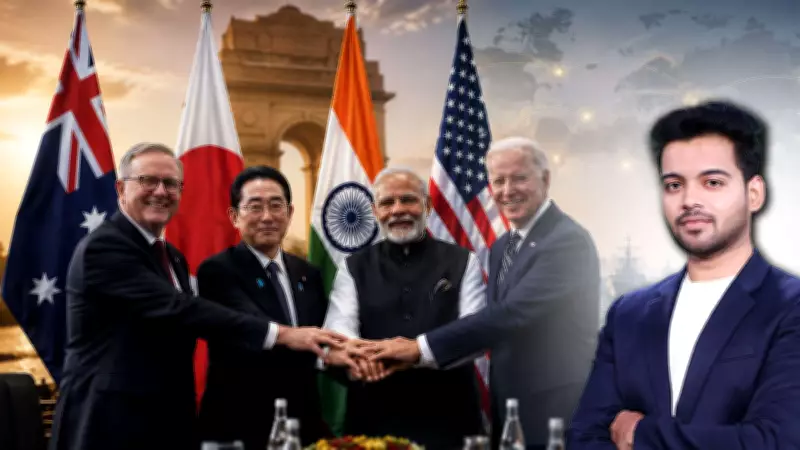
The Quad nations—India, the United States, Australia, and Japan—have announced a significant Indo-Pacific push focused on energy security, maritime stability, and resilient supply chains during the Quad Foreign Ministers' Meeting in New Delhi. The grouping stressed the importance of secure trade routes, uninterrupted energy flows, and stronger regional cooperation amid growing geopolitical tensions and disruptions in global energy markets.
Key Highlights of the Joint Statement
One of the biggest highlights of the joint statement was the strong emphasis on freedom of navigation through the Strait of Hormuz, one of the world’s most critical oil shipping routes. A significant portion of India’s crude oil imports pass through this chokepoint, making its security vital for India’s energy needs.
Planned Cooperation Areas
The Quad also announced plans for stronger cooperation on emergency fuel coordination, maritime infrastructure protection, energy diversification, and crisis response mechanisms. External Affairs Minister S. Jaishankar said the Indo-Pacific faces major challenges related to supply chain vulnerabilities, connectivity chokepoints, and infrastructure gaps, calling for trusted and transparent partnerships.

Strategic Context
The grouping’s expanding focus on economic resilience and energy security is widely seen as part of a broader strategic response to rising geopolitical competition in the Indo-Pacific, particularly amid concerns over China’s growing influence in the region. The meet is expected to reshape India’s energy and maritime strategy, aligning it more closely with Quad partners to ensure stability and security in critical sea lanes.