

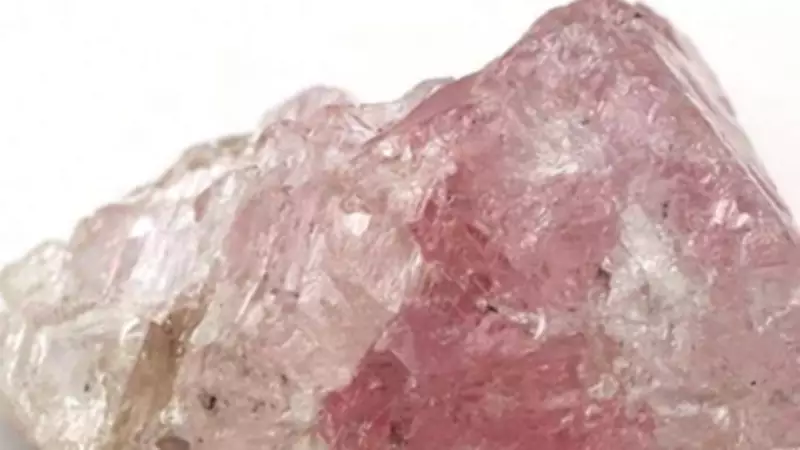
Spectacular Bi-Colored Diamond Discovery in Botswana Stuns Gem World
A remarkable geological treasure has emerged from the depths of Botswana, capturing global attention and fascination. The Karowe Mine has yielded an extraordinary rough diamond weighing 37.41 carats (approximately 7.5 grams) that displays a striking visual dichotomy—one half exhibits a dusty pink hue while the other remains perfectly transparent.
Unprecedented Geological Formation and Rarity
This exceptional gem measures about one inch in length and represents an extremely rare occurrence in nature. Geological experts emphasize that such bi-colored diamonds can only form under precise conditions deep within the Earth's crust, where immense heat and pressure force carbon atoms into crystalline structures. The diamond's formation journey began over three billion years ago, originating hundreds of kilometers beneath the planet's surface before volcanic activity transported it upward through geological epochs.
The color mechanism in diamonds varies significantly, with some acquiring hues from mineral impurities and others developing coloration through structural distortions within their atomic lattice. Pink diamonds particularly intrigue scientists because their coloration typically results from structural deformation rather than chemical impurities. In this specific specimen, geological evidence suggests the pink section formed first, followed by the clear portion—a sequential creation that makes this discovery even more scientifically valuable.

Expert Analysis and Potential Significance
Gemological specialists express particular excitement about this discovery for multiple reasons. Most pink diamonds encountered in the industry are minuscule in size, making this 37.41-carat specimen exceptionally noteworthy. The combination of substantial mass with distinct bi-coloration places this diamond in an elite category of natural wonders. Some experts speculate it could become one of the most significant pink diamonds ever polished and presented to the world.
Oded Mansori, co-founder of the renowned diamond cutting firm HB Antwerp, has indicated confidence that advanced cutting techniques could maximize the stone's visual impact. Through precise craftsmanship, the finished gem might reveal astonishing beauty that fully captures both the vibrant pink section and the flawless clarity of the colorless portion.
The Fascination Behind the Discovery
Several factors contribute to the widespread fascination surrounding this diamond. The stone's incredible age—over three billion years—represents a tangible connection to Earth's primordial past. Its journey from extreme depths to the surface via volcanic conduits illustrates dramatic geological processes that span eons. Additionally, the diamond's quality adds to its allure; it has been graded as "internally flawless"—the highest possible clarity rating in gemology—and displays a pink vibrancy found in only about four percent of pink diamonds worldwide.
This discovery at Botswana's Karowe Mine reinforces the region's status as a source of exceptional gemstones while providing valuable insights into geological processes that create nature's most prized treasures. The diamond's future—whether as a museum centerpiece, private collection highlight, or symbol of geological wonder—will undoubtedly be followed with great interest by gem enthusiasts and scientists alike.






