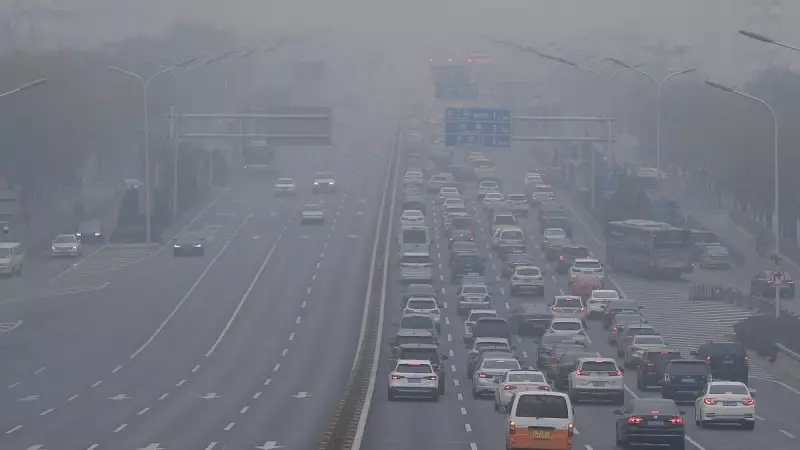
In a surprising environmental setback, China's capital Beijing has been engulfed by a severe and rare spike in smog, disrupting years of notable progress in pollution control. The alarming deterioration in air quality has prompted immediate official action.
National Observatory Issues Yellow Alert
China's national observatory took formal steps on Wednesday, December 18, 2025, by issuing a yellow alert for heavy fog across multiple regions. The warning specifically forecasts that dense fog will shroud vast areas on Thursday. This advisory highlights the seriousness of the current atmospheric conditions, which pose significant visibility and health risks.
Widespread Regions Affected
The scope of this smog event is extensive, impacting not just the capital. Meteorological authorities have identified a broad swath of the country under threat. The affected areas include Hebei province, Beijing, Tianjin, Henan, Anhui, Jiangsu, Hubei, the Sichuan Basin, and the megacity of Chongqing. This wide geographic spread indicates a major regional pollution episode, challenging the air quality management systems of numerous provincial administrations simultaneously.

Context and Implications for Pollution Control
This intense smog spike arrives after a period where China, and Beijing in particular, had reported significant improvements in air quality following a stringent, multi-year clean-up campaign. The return of thick pollution raises questions about persistent challenges. Experts often link such severe episodes to a combination of unfavorable weather conditions—like temperature inversions and low wind—and ongoing emissions from industrial activity and transportation.
The issuance of a yellow alert triggers a series of standardized public health and operational responses. Residents, especially those with respiratory conditions, are advised to limit outdoor exposure. The event serves as a stark reminder that while long-term trends may show improvement, acute pollution events remain a potent threat to public health and urban life in many parts of Asia.