

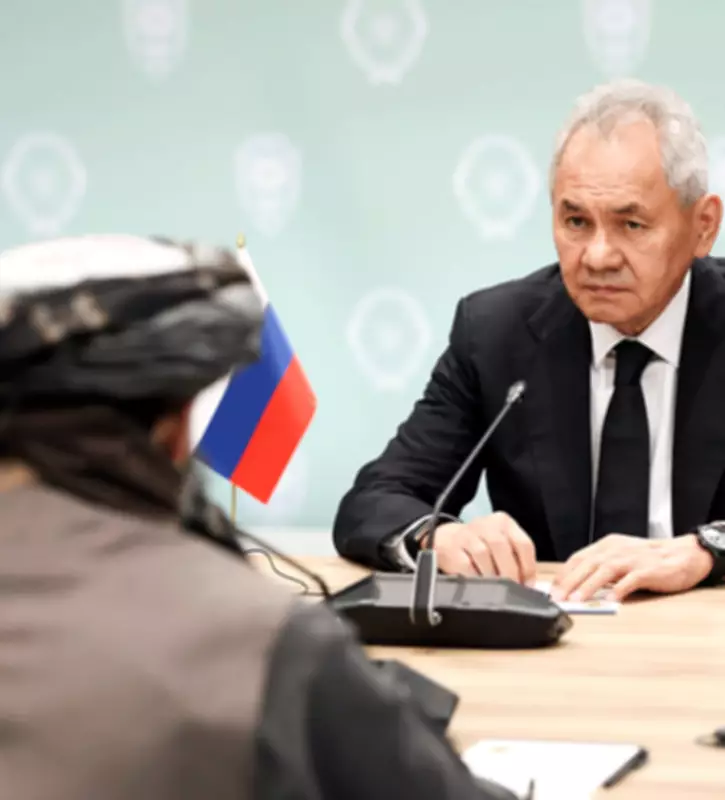
Nearly four decades after Soviet forces withdrew from Afghanistan, Russia has signed a military cooperation agreement with the Taliban-led government, marking a significant shift in Moscow's engagement with the war-torn country. The deal is likely to boost Afghanistan's defence capabilities amid recent military tensions with Pakistan. Moscow is also seeking the Taliban's help to counter terror groups such as IS-K, which poses a threat to Central Asia, traditionally seen as Russia's strategic backyard.
Strategic Implications
This military pact could have far-reaching consequences for regional dynamics. For India, the agreement may open new avenues for cooperation with Afghanistan, potentially enhancing stability in the region. However, it could also strain India's relations with Russia if New Delhi views the deal as legitimizing the Taliban. For Pakistan, the pact might be a setback, as Islamabad has historically sought influence over the Taliban. The agreement could reduce Pakistan's leverage and increase Russian presence in South Asia.
Counter-Terrorism Focus
Russia's primary motivation appears to be counter-terrorism. IS-K, the Islamic State's affiliate in Afghanistan, has been a growing concern for Moscow, as it threatens Central Asian republics. By cooperating with the Taliban, Russia aims to neutralize this threat. The Taliban, in turn, gains international legitimacy and military support.

Regional Reactions
The pact has drawn mixed reactions. While some analysts see it as pragmatic, others worry it could undermine efforts to promote human rights and inclusive governance in Afghanistan. The United States and European nations have not yet commented officially, but the deal is likely to complicate their diplomatic stance towards the Taliban.
Overall, the Russia-Taliban military agreement represents a major geopolitical shift, with potential benefits and risks for all parties involved.






