Shoes on the Danube: A Silent Memorial to Holocaust Victims in Budapest
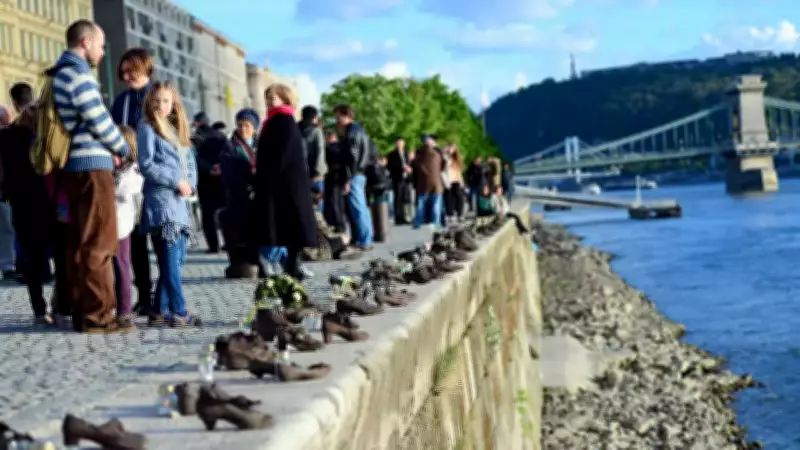
Along the serene banks of the Danube River in Budapest, a poignant memorial captures the attention of passersby. Visitors strolling near the Hungarian Parliament building encounter dozens of old-style shoes scattered across the concrete embankment, creating an arresting sight that prompts reflection and remembrance.
The Haunting Installation by the River
The memorial, known as the Shoes on the Danube Promenade, consists of approximately sixty pairs of iron shoes permanently fixed to the riverbank. Some stand upright near the water's edge, while others appear toppled or hastily abandoned. The designs meticulously replicate footwear from the 1940s, including worn work boots, sturdy men's shoes, elegant women's pumps, and even tiny children's shoes.
At first glance, the shoes seem so lifelike that observers instinctively imagine the individuals who once wore them. This emotional response is precisely what the creators intended, making the memorial one of the most powerful reminders of the violence that unfolded along this now-peaceful river during the final months of the Second World War.

Historical Context and Creation
Conceived by Hungarian film director Can Togay and brought to life by sculptor Gyula Pauer, the memorial was installed in 2005 on the Pest side of the Danube. Simple plaques nearby carry messages in Hungarian, English, and Hebrew, honoring the victims shot into the river by Arrow Cross militiamen between 1944 and 1945.
To fully appreciate the memorial's significance, one must understand the dark history of Budapest in the winter of 1944. Hungary had fallen under the control of the fascist Arrow Cross Party, led by Ferenc Szálasi, which launched a brutal antisemitic campaign against Jewish residents. Militiamen attacked families, looted homes, and conducted public executions, with thousands murdered during this period.
The Tragic Ritual Along the River
One of the most horrifying methods of execution occurred along the Danube's banks. Victims were often forced to remove their shoes before being killed, as footwear was valuable during wartime and could be reused or traded on the black market. After removing their shoes, prisoners were lined up and shot, their bodies falling directly into the water. This grim practice led locals to refer to the river as "the Jewish cemetery" during those dark weeks.
Eyewitness Accounts and Lasting Impact
Survivors like Zsuzsanna Ozsváth have shared chilling accounts of the atrocities. She recalled hearing gunshots and witnessing Arrow Cross soldiers firing at groups of men, women, and children wearing the mandatory yellow star. Her description of the Danube's altered appearance that day remains a haunting testament to the horrors endured.
A Living Tribute and Modern Reflection
Today, the riverbank is typically calm, with tourists admiring the city skyline and boats gliding along the Danube. Visitors often leave flowers, candles, or small stones inside the iron shoes as tributes, while scarves and ribbons occasionally appear. This quiet setting amplifies the memorial's emotional weight, allowing observers to contemplate the fear and confusion felt by victims in their final moments.
The Shoes on the Danube Promenade does not attempt to explain every aspect of the past but serves as a stark, personal reminder of history's tragedies. By evoking empathy and preserving memories, it ensures that the stories of those lost are never forgotten, standing as a solemn tribute to resilience and remembrance in the heart of Budapest.