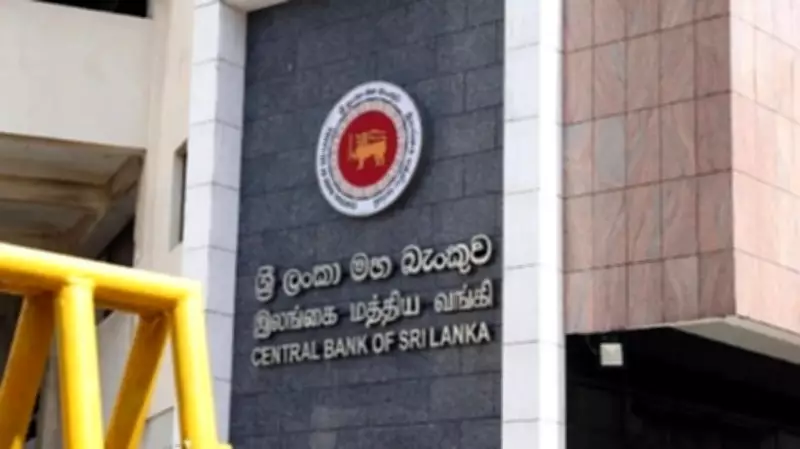
Sri Lanka's central bank has raised its key policy interest rates by 100 basis points, responding to escalating inflationary pressures and economic instability exacerbated by the ongoing crisis in West Asia. The Monetary Policy Board of the Central Bank of Sri Lanka (CBSL) decided to increase the Standing Deposit Facility Rate (SDFR) and the Standing Lending Facility Rate (SLFR) to 10.00% and 11.00%, respectively.
Reasons Behind the Rate Hike
The decision comes as the country grapples with soaring energy and commodity prices, a direct consequence of geopolitical tensions in West Asia. The central bank cited the need to curb inflation, which has been running well above its target, and to support the rupee, which has faced significant depreciation pressure. The CBSL noted that the external sector remains under stress, with foreign exchange reserves at critically low levels.
Impact on the Economy
Economists predict that the rate hike will increase borrowing costs for businesses and consumers, potentially slowing economic growth. However, the central bank emphasized that price stability is essential for long-term sustainable growth. The move is also aimed at attracting foreign capital inflows by offering higher returns on local currency-denominated assets.

In a statement, the CBSL said, "The Board was of the view that a further tightening of monetary policy is necessary to contain any build-up of demand-driven inflationary pressures and to prevent the entrenchment of inflation expectations." The bank also highlighted the need for continued fiscal consolidation and structural reforms to restore macroeconomic stability.
Reactions from Analysts and Markets
Financial markets reacted with mixed sentiments. While some analysts praised the central bank's proactive stance, others expressed concerns about the impact on an already struggling economy. The Colombo Stock Exchange saw a slight decline following the announcement, reflecting investor caution. The Sri Lankan rupee, however, remained relatively stable against the US dollar in early trading.
The rate hike is the latest in a series of measures by the CBSL to tackle the worst economic crisis since the country's independence in 1948. Sri Lanka is currently seeking a bailout from the International Monetary Fund (IMF) to help stabilize its finances and restore confidence.
Challenges Ahead
The West Asia crisis has added to Sri Lanka's woes, disrupting supply chains and pushing up import costs for fuel, food, and other essentials. The country is also facing a severe shortage of foreign exchange, making it difficult to finance essential imports. The central bank's decision to hike rates is seen as a necessary step to prevent the economy from spiraling further into crisis.
In the coming months, the CBSL will continue to monitor domestic and global developments closely. The bank has indicated that it stands ready to take further action if needed to ensure price stability and financial system resilience.