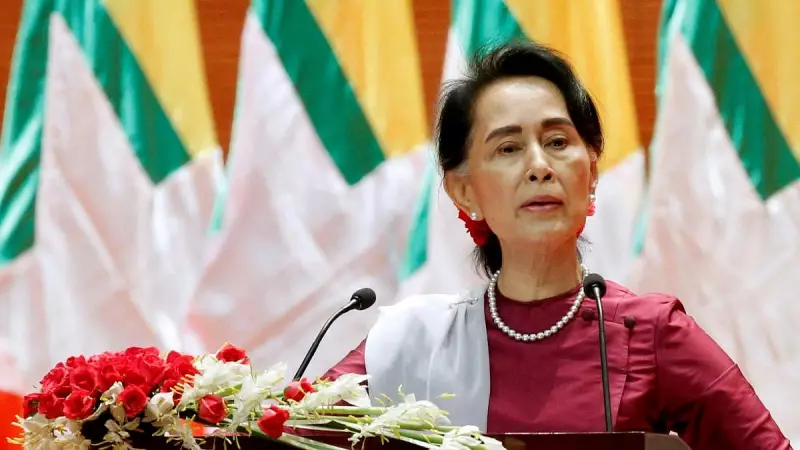
In a move highlighting the nation's deep divisions, Myanmar's military regime is proceeding with a general election whose credibility is fundamentally challenged. The most powerful symbol of this crisis is not on the ballot: the conspicuous absence of detained democratic leader Aung San Suu Kyi. Scheduled for 25 December 2025, this electoral exercise is being conducted despite the impossibility of holding a vote in vast regions of the country.
A Vote Without the Nation
The military government, which seized power in a 2021 coup, is attempting to legitimise its rule through these polls. However, the plan faces an insurmountable hurdle. Large swathes of Myanmar remain outside the junta's control, effectively disenfranchising millions of citizens. These areas are under the authority of armed pro-democracy forces and long-established ethnic militias, who have fiercely resisted the military's authority. Consequently, the election cannot be a true representation of the people's will, but rather a limited poll held only in territories where the army can enforce its authority.
The Deafening Silence of a Leader
The political landscape of this election is defined by who is not participating. Aung San Suu Kyi, the Nobel laureate and former State Counsellor who led the country towards democracy before the coup, remains under detention. Her party, the National League for Democracy (NLD), has been effectively dismantled by the junta. Her absence from the process speaks volumes, undermining the regime's claims of a return to normalcy and reminding the world of the popular mandate it overturned. The election, therefore, occurs in the shadow of her silenced voice, a constant reminder of the democratic path that was interrupted.

Implications for Myanmar and the World
This constrained election is unlikely to bring stability or international recognition to the junta. Key implications include:
- Deepened Conflict: Excluding rebel-held areas formalises the country's fragmentation and may intensify armed resistance.
- Regional Instability: Neighbouring countries, including India and Thailand, may face continued refugee flows and cross-border tensions.
- International Rejection: Major democracies are expected to dismiss the poll as a sham, maintaining sanctions and diplomatic pressure on the regime.
The Myanmar election of 2025 risks becoming a mere ritual of power for the military, rather than a genuine step towards resolving the nation's profound crisis. Without inclusive dialogue and the release of political prisoners like Suu Kyi, the path to peace remains blocked.