

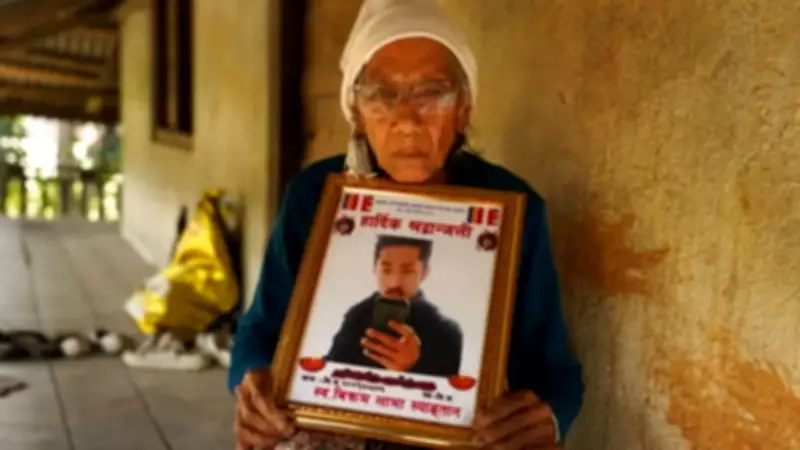
The Heartbreaking Story of Sydney's 'Birdman' Bikram Lama
The tale of Bikram Lama, known as Sydney's "birdman," has captivated global attention, not just for its tragic nature but for its unsettling resonance with modern urban life. At only 32 years old, Lama died in a location that should have been impossible to overlook—near one of the city's most frequented spots. Yet, for days, his body remained undetected as thousands of commuters hurried past, a stark illustration of how individuals can vanish amidst the hustle and bustle of a crowd. This story transcends mere tragedy; it serves as a powerful symbol of migration, invisibility, and the profound blind spots within our societies.
What Actually Happened to Bikram Lama?
In December 2025, station staff discovered Bikram Lama's body near the entrance to the St James tunnel in downtown Sydney. Authorities estimate he had been there for up to a week, lying in an area where approximately 100,000 people pass through daily. Initially, the circumstances of his death were not deemed suspicious, but the details are deeply sorrowful. Lama had been living outdoors during a severe summer heatwave, and reports indicate he died alone, without access to timely medical assistance or support. His body, partially concealed by bushes near the tunnel, was so decomposed by the time of discovery on December 7 that visual identification was impossible.
Who Was Bikram Lama?
Bikram Lama hailed from a remote village in Nepal and moved to Sydney with typical aspirations: to study, build a future, and support his family. However, his situation deteriorated when his student visa expired, and he was unable to renew his passport. This left him undocumented, effectively locking him out of essential government services such as housing, healthcare, and financial aid. Consequently, he became homeless, often seen drifting around Hyde Park and the St James tunnel area.

Despite his hardships, Lama became a familiar presence near the tunnel. Locals affectionately nicknamed him "birdman" due to his daily routine of feeding pigeons. Witnesses recall that the birds would gather in anticipation of his arrival, viewing him as part of their environment. Poignantly, the pigeons noticed his absence before any human did, underscoring his isolation in the human world.
Why Did Nobody Notice Him?
This question weighs heavily on many minds. The St James tunnel is situated in central Sydney, surrounded by constant crowds. Yet, no one observed Lama's disappearance. He slept in a spot largely hidden by bushes, and the reality is that most commuters are preoccupied, often avoiding eye contact with those experiencing homelessness. In such settings, homeless individuals can fade into the background, becoming invisible to the passing throngs.
What Comes Next After This Tragedy?
Following Bikram Lama's death, government officials described it as "beyond tragic," acknowledging it reveals significant flaws in support systems. The core issue revolves around his immigration status; once his visa expired, he was ineligible for welfare, public healthcare, or housing assistance. Outreach workers had attempted to connect him with services, but without proper documentation, sustained support was unattainable.
This incident has sparked difficult questions: Should services extend further to assist non-citizens? Could earlier intervention have altered the outcome? And how many others are living similarly invisible lives? Bikram's story is not just an isolated event in Sydney; it reflects a broader global crisis where undocumented individuals slip through societal cracks, often unnoticed until tragedy strikes.






