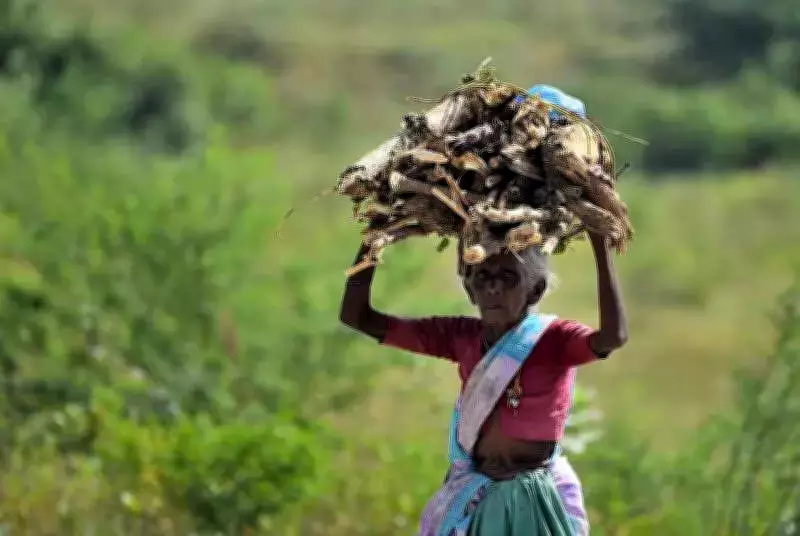
UN's 2026 Focus on Women Farmers Spotlights Telangana's Agricultural Gender Dynamics
With the United Nations designating 2026 as the International Year of Women Farmers, attention is turning to Telangana's agricultural sector, where a significant transformation is underway. Recent data reveals that women now constitute nearly 60% of the agricultural workforce in the state, a shift driven by the increasing migration of men to non-farm employment opportunities. Researchers describe this trend as the "feminisation of agriculture," highlighting a profound change in rural labor patterns.
Projected Risks and Structural Gaps in Women's Agricultural Roles
Despite their growing presence, projections indicate a concerning trajectory for women in Telangana's farming communities. Without timely and effective interventions, the proportion of women relying solely on farm labor could increase by as much as 27%. This rise poses a serious risk of disenfranchisement, as many women may miss opportunities to transition into roles as brand owners or gain ownership of the crops they cultivate—key pathways to empowerment and economic independence.
The structural challenges are particularly evident in Telangana's rural areas, where women's employment remains heavily tied to agriculture, yet land ownership among them is severely limited. Data shows that while women make up nearly half of the state's agricultural workforce, only about 12–15% own land. This disparity underscores a significant gap that hinders women's ability to control resources and improve their livelihoods.

Shift in Workforce Composition and Long-Term Implications
The composition of Telangana's agricultural workforce is undergoing a notable shift. As women's participation in wage labor increases, the number of women who are land-owning cultivators is declining. Estimates suggest a 27% rise in female agricultural laborers, signaling a deeper process of "proletarianisation" where more women become dependent on low-paid, insecure farm work rather than exercising control over land and production.
Looking ahead to 2047, projections indicate that without substantial structural interventions, between 48% and 52% of employed women may remain concentrated in low-productivity agricultural roles. Analysts emphasize that moving women from being merely farm laborers to higher-value positions, such as entrepreneurs and brand owners linked to agro-processing and value chains, will be critical for achieving long-term development goals. Regional disparities across Telangana are also expected to influence how women's roles in agriculture evolve, necessitating tailored approaches to address local needs.
This analysis comes as the UN's focus on women farmers aims to highlight global challenges and opportunities in agriculture, with Telangana serving as a key example of both progress and persistent inequalities in the sector.