

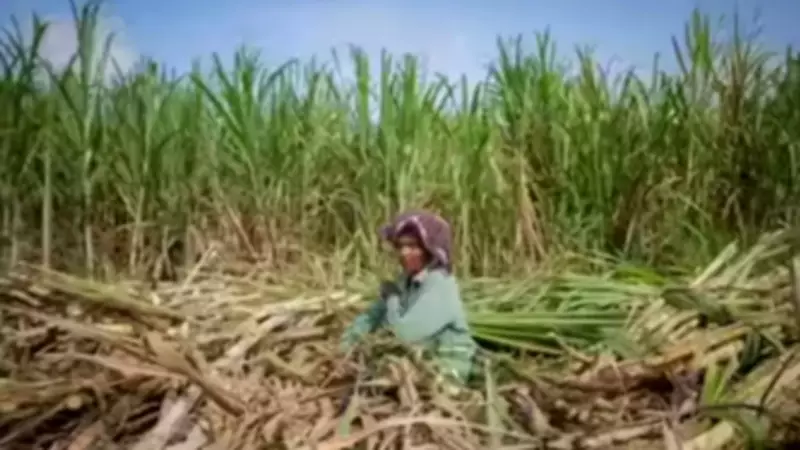
Thai Rice Farmers Embrace Microbial Revolution to Combat Toxic Smog
For generations, rice farmers across Thailand have relied on a simple but destructive practice: burning their paddy fields between planting cycles. This method, while quick and affordable, has contributed significantly to the toxic smog that blankets much of the country every spring. Now, pioneering farmers are discovering that abandoning this "old way" for innovative microbial solutions brings remarkable benefits.
From Smoke to Soil Health: A Personal Transformation
Siriporn and Amnat Taidee, rice farmers from Chiang Rai province, represent this growing shift. "My life has changed," declared 63-year-old Siriporn as she walked through her verdant paddy field. "I'm so happy... we don't have to burn anymore." The couple has replaced field burning with a product called Soil Digest, which uses five strains of Bacillus bacteria—including one derived from traditional fermented soybeans—to decompose crop residue.
The results have been transformative:

- Softer, healthier soil that requires less tilling
- Increased crop yields by up to 20 percent in early trials
- Reduced fertilizer costs as soil quality improves
- Elimination of harmful burning that contributes to air pollution
The Annual Air Crisis and Government Crackdown
Every year between January and April, Thailand faces a severe air quality crisis. Smoke from agricultural burning combines with forest fires, industrial emissions, and transboundary haze to create dangerous pollution levels. While Bangkok has restricted burning for years, recent intensified crackdowns have created tension between environmental goals and traditional farming practices.
"It simply pushes the burden onto farmers," warned Witsanu Attavanich, an environmental economist at Kasetsart University, referring to the burning bans. Many farmers feel trapped between the threat of heavy fines or even prison and the lack of viable alternatives to prepare their fields for new growing cycles.
Microbial Solutions Gain Traction
In Chiang Rai—one of Thailand's primary rice-growing regions—authorities have begun actively promoting microbial alternatives. Approximately 2,000 farmers have made the switch so far, though this represents just a fraction of the province's 100,000 rice cultivators.
"If we are to stop the burning, we must provide them with multiple alternatives," emphasized Orracha Wongsaroj, a provincial agricultural official. The demand for microbial products targeting straw decomposition has surged since burning restrictions intensified several years ago.
The Science Behind Soil Digest
Retired professor Wichien Yongmanitchai developed Soil Digest after isolating local bacterial strains specifically adapted to Thailand's tropical environment. His innovation addresses multiple challenges simultaneously:
- Rapid decomposition: While untreated rice straw takes about 30 days to soften sufficiently for tilling, Soil Digest works in just five to seven days
- Climate benefits: The bacteria can reduce methane emissions from paddy fields by at least 20 percent, supporting Thailand's climate commitments
- Carbon neutrality: "This is one of the biggest benefits for achieving carbon neutrality in the rice field," Wichien noted
Challenges of Scaling Up
Despite promising results, significant barriers remain. The Thai government promotes free access to microbial products for farmers, but officials acknowledge that supplies have run out and scaling up production presents difficulties. For those unable to access government provisions, private market alternatives can be prohibitively expensive.
Farmer Samart Atthong from Pathum Thani province invested 1,200 baht (approximately $37) to hire an agricultural drone for spraying Soil Digest. "People may only see the extra cost of the microbes," he observed, "but they should look in the long run. Once the soil heals, we won't need nearly as much fertilizer. Where I live, burning has dropped to nearly zero."

Systemic Changes Needed for Widespread Adoption
Independent experts recognize the potential of microbial technology but emphasize that broader systemic changes are essential for meaningful impact. "The government wants to reduce straw burning—but there is no one-size-fits-all solution," stated Nipon Poapongsakorn, an agricultural policy expert at the Thailand Development Research Institute.
He recommends a comprehensive approach including:
- Conditional subsidies tied to no-burn commitments
- Improved machinery access for farmers
- Enhanced education programs about sustainable alternatives
Wichien acknowledges that his small operation cannot reach Thailand's 20 million farmers alone. Without substantial government and corporate support, the gap between promising technology and widespread implementation may prove too wide. Yet he remains optimistic, envisioning applications beyond Thailand to paddy fields across Southeast Asia and eventually Africa.
"I don't want anything else," the inventor concluded. "I just want to make it work." As more farmers like the Taidees experience the benefits firsthand, this microbial revolution offers hope for cleaner air, healthier soil, and more sustainable rice farming across the region.





