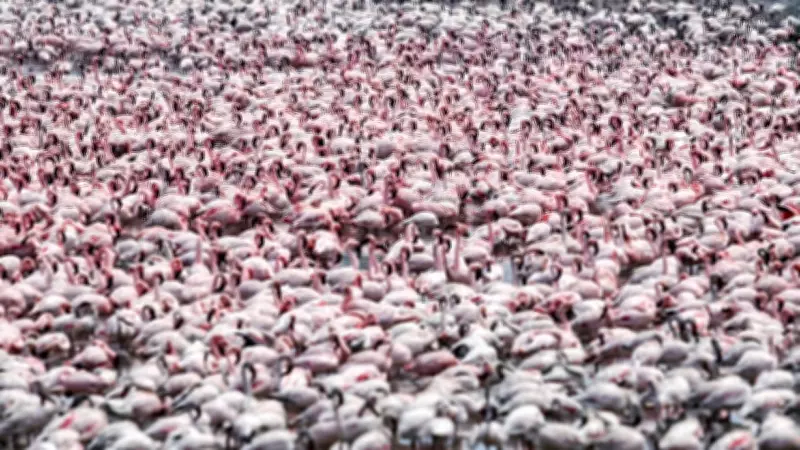
A Thane district panel has ruled that the flamingo lakes owned by NRI T S Chanakya do not qualify as wetlands, drawing sharp criticism from environmentalists. The decision contradicts earlier observations by the Bombay High Court in a Public Interest Litigation filed by the Navi Mumbai Environment Preservation Society (NMEPS).
Panel's Ruling and Environmentalist Outrage
The district panel's assessment concluded that the water bodies, popularly known as flamingo lakes, lack the ecological characteristics of wetlands. Environmentalists, however, argue that the panel ignored scientific evidence and legal precedents. They emphasized that the Bombay High Court had previously acknowledged the ecological significance of these lakes in its interim orders.
Background of the Controversy
The flamingo lakes, located in the Thane district, are home to thousands of migratory birds, including flamingos. The NMEPS had filed a PIL seeking protection of the area, citing its role as a critical habitat. The High Court had directed authorities to preserve the water bodies, noting their wetland-like features.

Mrityunjay Bose reported on May 1, 2026, that the panel's decision has reignited the debate over land use and conservation. The NRI owner, T S Chanakya, has maintained that the lakes are artificial and not natural wetlands, a claim supported by the panel.
- Key Points: The panel's report states that the lakes do not meet the definition of wetlands under environmental laws.
- Environmentalist Response: Groups plan to challenge the ruling in court, citing the High Court's earlier stance.
- Legal Implications: The decision could set a precedent for similar water bodies in the region.
The controversy highlights the ongoing tension between development and conservation in urban fringes. Environmentalists warn that the ruling could endanger bird habitats and undermine efforts to protect biodiversity.