

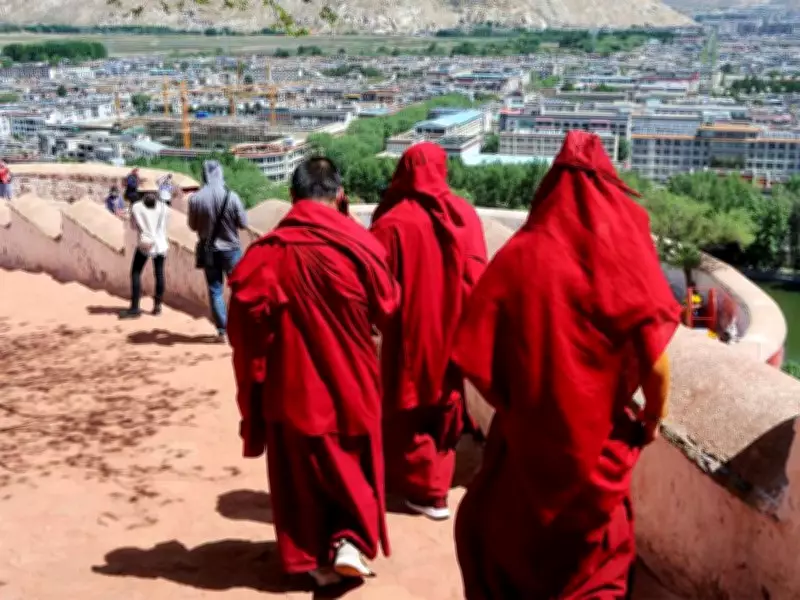
China has maintained its stringent policy of restricting foreign access to Tibet, with the region remaining effectively closed to international tourists and researchers. The measures, which have been in place for several years, are part of Beijing's broader strategy to control information flow and maintain stability in the area.
Current Restrictions and Their Impact
Foreign nationals are currently barred from entering Tibet, except for a limited number of official delegations and accredited journalists. The restrictions have severely impacted the local tourism industry, which previously relied heavily on international visitors. Tibetan businesses, including hotels, tour operators, and souvenir shops, have reported significant financial losses.
Security Concerns Cited
Chinese authorities have justified the restrictions by citing security concerns and the need to prevent foreign interference. The region has seen periodic unrest, and Beijing fears that foreign presence could exacerbate tensions. Additionally, the government has tightened controls on internet access and communications in the region.

Geopolitical Implications
The closure of Tibet to foreigners has drawn criticism from human rights groups and foreign governments, who accuse China of violating international norms on freedom of movement and cultural exchange. The United States and European Union have repeatedly called for greater access, but China has dismissed these demands as interference in its internal affairs.
Limited Exceptions
Despite the general ban, China has allowed a small number of foreign diplomats and journalists to visit Tibet under strict supervision. These visits are tightly controlled, with itineraries pre-approved by authorities. Critics argue that such access is insufficient for independent verification of the region's conditions.
Future Prospects
There is no indication that China will ease restrictions in the near future. Analysts suggest that the policy is likely to continue as long as Beijing perceives threats to its control over the region. The ongoing geopolitical tensions, particularly with the United States and India, further reduce the likelihood of change.
In summary, Tibet remains off-limits to most foreigners, with China maintaining a firm stance on access controls. The situation has significant implications for tourism, international relations, and the rights of the Tibetan people.






