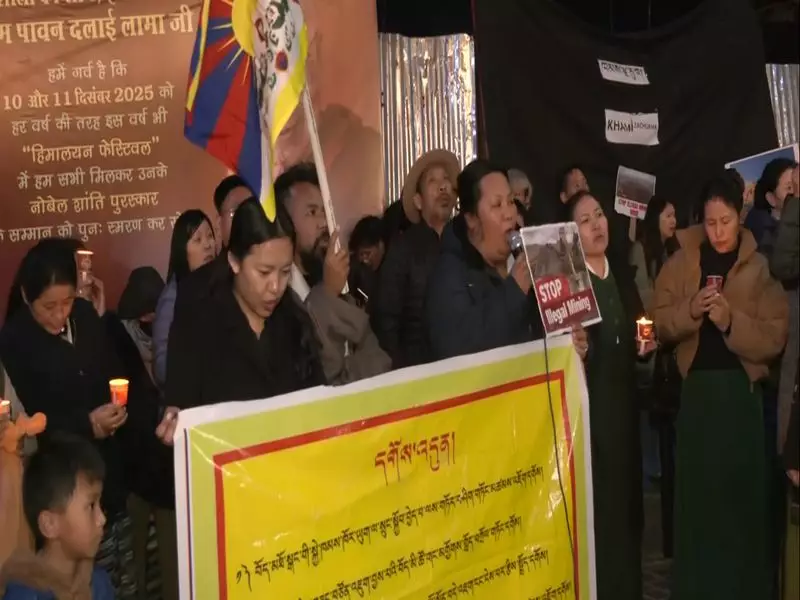
Tibetan communities living in exile have launched a strong condemnation against a major gold mining operation initiated by China in the Tibetan region. The protest culminated in a symbolic candlelight vigil held in Dharamshala, expressing solidarity with what they describe as ongoing protests inside Tibet.
Vigil in Dharamshala Highlights Mining Concerns
The vigil was organized on Wednesday evening by the Tibetan Youth Congress (TYC) along with local residents. Participants gathered at the Tsuglag Khang temple complex, which serves as the heart of the exile community in Dharamshala, Himachal Pradesh. The event was a direct response to reports emerging from Tibet about a significant gold mining project in the Nagchu area.
According to the organizers and sources cited in the original report, the mining activities are being conducted by the China National Gold Group. The project is alleged to be situated near the sacred Dokham Khamtsen region, an area of deep cultural and spiritual significance for Tibetans. The protestors claim the mining is causing severe environmental damage and constitutes a blatant exploitation of Tibet's natural resources.

Reports of Unrest and Arrests Inside Tibet
The exile groups assert that the mining project has sparked resistance from local Tibetans. They report that protests have occurred in Nagchu City and Driru County, leading to a harsh crackdown by Chinese authorities. Tenzin Jigme, the President of the Tibetan Youth Congress, stated that their information suggests numerous Tibetans have been detained. He specifically mentioned the alleged arrest of a Tibetan man named Lobsang Tsultrim for protesting the mining activities.
"The Chinese government is not only plundering our resources but also suppressing the rightful dissent of Tibetans," Jigme was quoted as saying. The vigil in Dharamshala was, therefore, an act of moral support for those reportedly facing repression for opposing the project within Tibet.
Broader Condemnation and Calls for Action
The issue has drawn criticism from prominent Tibetan exile figures. Penpa Tsering, the Sikyong (President) of the Central Tibetan Administration based in Dharamshala, strongly criticized the mining venture. He labeled it a "systematic exploitation" that threatens the fragile ecosystem of the Tibetan plateau, often called the "Third Pole."
Tsering accused the Chinese government of disregarding the well-being of Tibetan people and their environment for purely economic gain. The protestors and exile leaders have called upon the international community to take notice of the situation. Their demands include:
- An immediate halt to the gold mining project in Nagchu.
- The unconditional release of any Tibetans detained for protesting.
- Greater global scrutiny of China's environmental and human rights policies in Tibet.
The vigil in Dharamshala stands as the latest episode in the long-standing tensions between the Tibetan exile community and the Chinese government over issues of autonomy, cultural preservation, and resource rights. It highlights how developments inside Tibet continue to resonate powerfully within the diaspora, fueling activism and calls for international solidarity.