

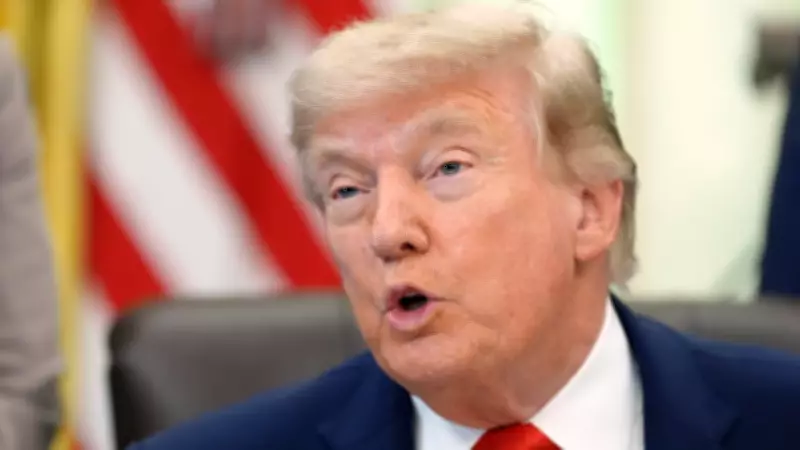
Trump Accuses Tehran of Attacks on Vessels with Indian Seafarers
US President Donald Trump has accused Tehran of orchestrating attacks on vessels carrying Indian seafarers in the strategically vital Strait of Hormuz. In a press briefing, Trump described the incidents as 'totally unacceptable' and warned Iran of severe consequences if such actions continue.
The Strait of Hormuz, a narrow waterway connecting the Persian Gulf with the Gulf of Oman, is a critical chokepoint for global oil shipments. The attacks, which targeted commercial vessels, have raised concerns about maritime security in the region. Indian seafarers were among the crew members aboard the affected ships, prompting New Delhi to closely monitor the situation.
US Response and Diplomatic Tensions
Trump's remarks come amid heightened tensions between Washington and Tehran. The US President stated that the attacks were part of a pattern of Iranian aggression that destabilizes the Middle East. 'We hold Iran fully responsible for these attacks. They are a threat to international peace and security,' Trump said.

He further emphasized that the US would take all necessary measures to protect its interests and allies in the region. The US Navy's Fifth Fleet, based in Bahrain, has been placed on high alert to ensure freedom of navigation in the Strait of Hormuz.
India's Concerns and Safety of Seafarers
India has expressed deep concern over the safety of its citizens working on merchant vessels in the region. The Ministry of External Affairs is in touch with international maritime authorities to ensure the well-being of Indian seafarers. 'We are closely tracking the situation and have urged all parties to exercise restraint,' an official statement read.
Indian seafarers form a significant portion of the global maritime workforce, and their safety is a top priority for the Indian government. The attacks have prompted calls for enhanced security measures for commercial shipping in the region.
International Reactions
The international community has reacted with alarm to the escalating situation. Several countries have condemned the attacks and called for a de-escalation of tensions. The United Nations has urged all parties to respect international maritime law and ensure the safety of civilian vessels.
Analysts warn that any disruption in the Strait of Hormuz could have severe implications for global energy markets, as approximately 20% of the world's oil passes through the waterway. The incidents have already caused a spike in oil prices, with markets reacting nervously to the prospect of further instability.
Background of Iran-US Hostilities
The latest accusations are part of a long-standing rivalry between the US and Iran. Since the US withdrawal from the Joint Comprehensive Plan of Action (JCPOA) in 2018, tensions have escalated, with both sides engaging in a series of tit-for-tat measures. Iran has been accused of targeting oil tankers and other commercial vessels in the region in response to US sanctions.
Trump's administration has adopted a 'maximum pressure' campaign against Iran, aiming to curb its nuclear ambitions and regional influence. However, critics argue that such policies only increase the risk of conflict.






