

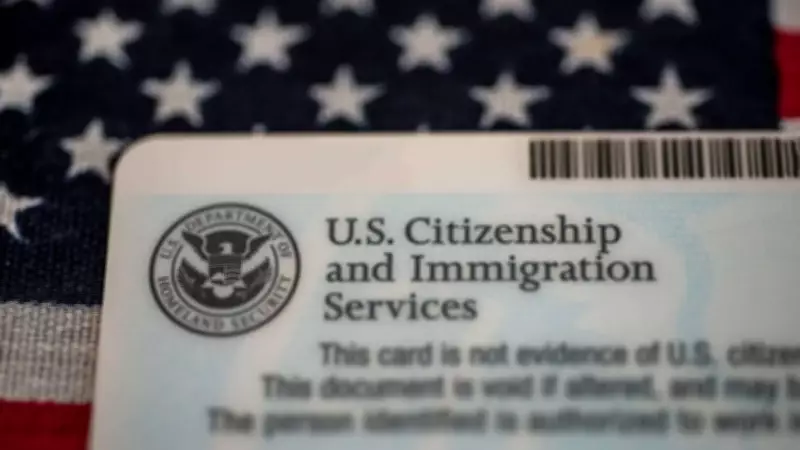
The Trump administration is developing a new immigration policy that could allow officials to deny asylum applications without conducting interviews, according to a report cited by CBS News. The proposed rule, drafted by the Department of Homeland Security (DHS), would permit officers at U.S. Citizenship and Immigration Services (USCIS) to reject claims if they determine the application was filed more than one year after the applicant entered the United States. This would bypass the long-standing practice of nearly always interviewing asylum seekers before making a decision.
How the Proposed Policy Would Work
Under current law, asylum applications must generally be filed within one year of entry, though exceptions exist for cases involving serious medical issues, ineffective legal counsel, or unaccompanied minors. The proposed regulation would still allow officers to proceed with interviews if they believe an exception applies. However, the key change is that officers could rely solely on paperwork to dismiss cases that appear to fall outside the one-year deadline, rather than interviewing applicants during the initial review.
Applicants whose cases are rejected under this process would subsequently be placed in deportation proceedings, where they would have to argue their case before an immigration judge. A USCIS spokesperson stated that the administration is exploring ways to address the growing backlog of asylum cases. "This would allow USCIS to avoid wasting time on asylum applications that it would otherwise refer to immigration proceedings and will allow illegal aliens to have their claims heard by a judge," the spokesperson said.

Backlog and Political Context
The statement attributed the backlog to what it described as "the Biden administration's dangerous open borders policies" and noted that the government is reviewing options to address more than one million pending claims. As of last year, USCIS had 1.5 million pending asylum applications, while immigration courts faced a backlog of approximately 3.3 million cases, including 2.3 million asylum-related claims. Critics argue that delays encourage migrants who may not qualify for protection to remain in the country while their cases are processed.
Immigration advocates have expressed concern that the proposal could lead to individuals being pushed into deportation proceedings without a fair opportunity to explain delays in filing their claims. Conchita Cruz, co-executive director of the Asylum Seeker Advocacy Project, noted that there are often legitimate reasons for missing the one-year deadline. "The government would be changing the rules on immigrants who have been navigating a complex immigration process, often for many years," she added.
Broader Immigration Enforcement
The Trump administration has also pursued agreements with other countries to accept deported asylum seekers, including "safe third country" arrangements that require applicants to seek protection outside the U.S., sometimes in nations with disputed human rights records. Additionally, the administration previously froze asylum applications after an Afghan asylum seeker was linked to an attack on National Guard soldiers in Washington, D.C. That pause was later eased but continues to apply to applicants from 39 countries listed under a travel ban proclamation.
Under U.S. law, most individuals on American soil can request asylum, even if they entered illegally, but they must prove they are fleeing persecution based on race, religion, nationality, political opinion, or membership in a particular social group. Those granted asylum can remain permanently, while those refused are deported.






