US President Donald Trump is reportedly seriously considering launching new military strikes against Iran if ongoing negotiations for a nuclear peace deal fail, according to a recent report. The development signals a potential escalation in tensions between the two nations, which have been locked in a bitter standoff over Iran's nuclear program.
Background of the Conflict
The United States and Iran have been engaged in indirect talks aimed at reviving the 2015 nuclear deal, formally known as the Joint Comprehensive Plan of Action (JCPOA). The Trump administration withdrew from the agreement in 2018, reimposing crippling sanctions on Tehran. Since then, Iran has accelerated its nuclear enrichment activities, raising concerns among Western powers.
Trump's Stance on Military Action
According to sources cited in the report, Trump has expressed frustration with the slow pace of negotiations and is leaning toward a more aggressive posture. The president is said to believe that a show of force could compel Iran to agree to stricter terms. However, some advisers have cautioned against such a move, warning that it could trigger a broader conflict in the region.

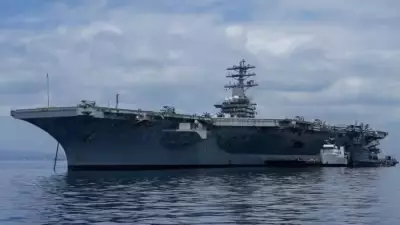
The report comes amid heightened rhetoric from both sides. Iranian officials have warned that any military action would be met with a severe response, including potential strikes on US allies in the Middle East. Meanwhile, the Trump administration has deployed additional naval assets to the Persian Gulf, signaling its readiness for a confrontation.
International Reactions
The prospect of new strikes has drawn sharp criticism from European allies, who have urged restraint. France, Germany, and the United Kingdom have called for a diplomatic solution, emphasizing that a military escalation would destabilize the region further. Russia and China have also voiced opposition to any unilateral US action.
Potential Consequences
Analysts warn that a US military strike on Iran could have far-reaching consequences, including a spike in global oil prices, increased terrorism threats, and a humanitarian crisis in Iran. The move could also strain relations with key partners in the Middle East, such as Saudi Arabia and Israel, who have differing views on how to handle Tehran.
As negotiations continue, all eyes are on the White House. Trump's final decision remains uncertain, but the report underscores the high stakes involved. The coming weeks will be critical in determining whether diplomacy or military action prevails.