

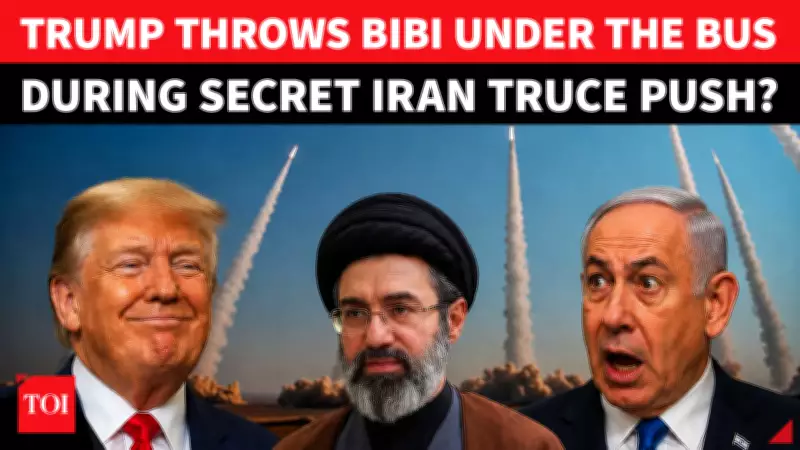
Is the US-Iran war about to end? After nearly three months of escalating conflict between the United States, Iran, and Israel, a dramatic diplomatic breakthrough may finally be taking shape. According to reports, Washington and Tehran are close to signing a 60-day ceasefire agreement that could reopen the Strait of Hormuz, ease pressure on global oil markets, and potentially halt a wider regional war.
Details of the Proposed Ceasefire
The proposed deal reportedly includes several key components:
- Iran clearing naval mines from the Strait of Hormuz, a critical chokepoint for global oil shipments.
- The United States easing sanctions and allowing Iran to resume oil exports, providing much-needed economic relief to Tehran.
- Continued negotiations over Iran’s nuclear program, which has been a major point of contention between the two nations.
Impact on US-Israel Relations
The ceasefire talks have reportedly been conducted without Israeli Prime Minister Benjamin Netanyahu's knowledge, leading to a significant rift between the US and Israel. Sources indicate that President Donald Trump has 'frozen out' Netanyahu from the secret negotiations, causing embarrassment for the Israeli leader. An ex-Israeli officer remarked, 'Iran won this round, emerged stronger,' highlighting the perceived shift in regional dynamics.

Global Reactions
The potential deal has drawn mixed reactions worldwide. While some see it as a pathway to peace in the Middle East, others warn it could be just a temporary pause before another major escalation. The reopening of the Strait of Hormuz would stabilize global oil markets, which have been volatile due to the conflict.
What’s Next?
As negotiations continue, the world watches closely. Could this be the beginning of lasting peace, or merely a strategic timeout? The coming weeks will reveal whether the ceasefire holds and whether broader talks on Iran’s nuclear program can progress.






