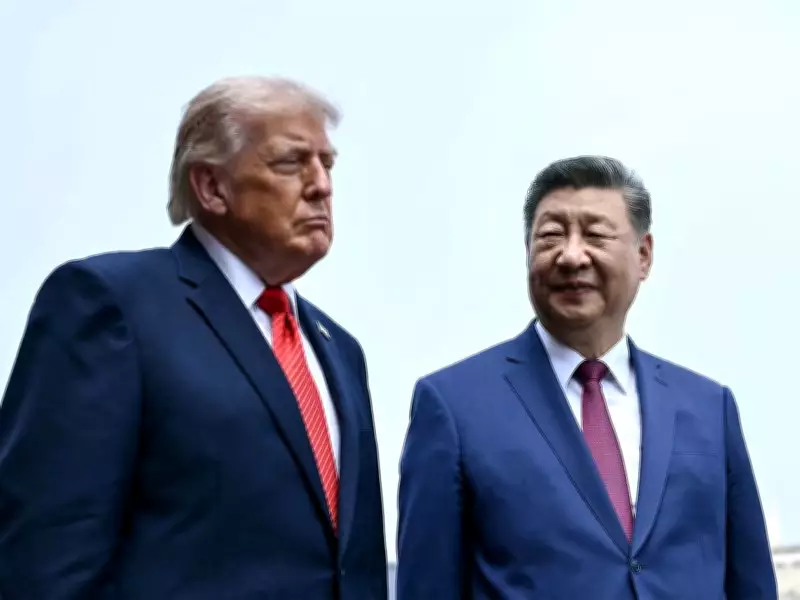
In a significant diplomatic move, former U.S. President Donald Trump has invited Chinese President Xi Jinping to the White House. The invitation, extended during a recent communication, marks a potential shift in the often strained relations between the two global powers.
Xi's Response: A Call for Renewed Cooperation
President Xi Jinping responded positively to the invitation, calling for a new chapter in Sino-American ties. He emphasized the importance of mutual respect and cooperation, highlighting areas such as trade, climate change, and global security where both nations can work together.
Background of U.S.-China Relations
The relationship between the United States and China has been complex, characterized by both cooperation and competition. Under the Trump administration, tensions escalated over trade imbalances, intellectual property rights, and geopolitical issues such as the South China Sea. However, recent signals suggest a possible détente.

Implications of the Invitation
Analysts view Trump's invitation as a strategic move to reset ties. If the visit materializes, it could lead to agreements on key issues, including tariff reductions and collaborative efforts on climate action. The invitation also underscores the importance of high-level dialogue in managing great power relations.
Both leaders have expressed a willingness to engage constructively. Xi's call for a new chapter indicates China's desire to stabilize relations, while Trump's outreach suggests a pragmatic approach to foreign policy. The potential meeting could pave the way for future summits and multilateral cooperation.
As the world watches, the outcome of this diplomatic overture remains uncertain. Yet, the mere exchange of invitations signals a positive step forward in U.S.-China relations, offering hope for renewed partnership on global challenges.