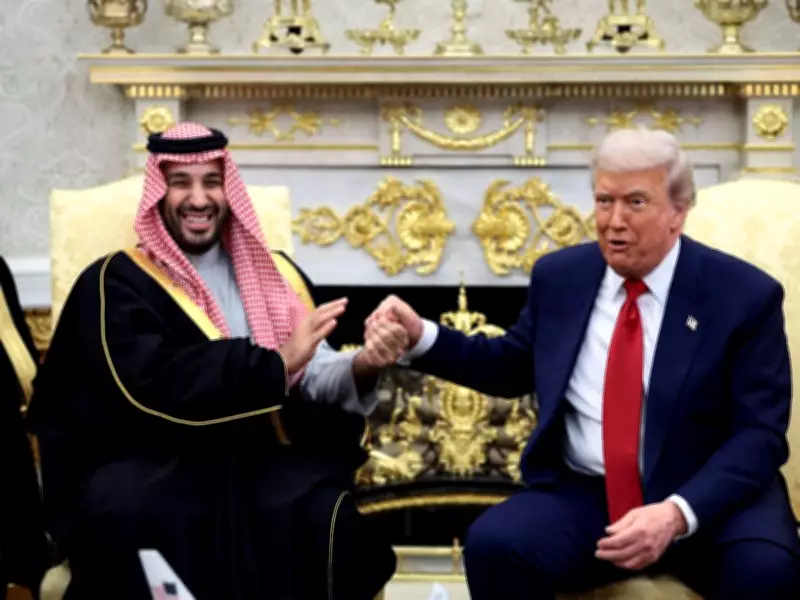
US President Donald Trump has reportedly paused naval escort operations in the Strait of Hormuz after Saudi Arabia refused to allow the use of its airspace for the patrols. The decision marks a significant shift in the US approach to securing the vital waterway, through which about a fifth of the world's oil passes.
Background of the Decision
The move comes amid heightened tensions between the United States and Iran, following a series of incidents involving oil tankers and drone strikes. The US had been leading a maritime security initiative in the region, but the Saudi refusal has complicated the mission.
Saudi Arabia's Stance
Saudi Arabia, a key US ally, declined to grant permission for US naval aircraft to use its airspace for surveillance and escort missions. The kingdom cited concerns over escalating tensions with Iran and potential retaliation. Saudi officials emphasized their desire to avoid being drawn into a direct conflict.

Impact on Regional Security
The pause in escorts raises questions about the effectiveness of the US-led coalition in ensuring safe passage for commercial vessels. Analysts warn that this could embolden Iran to increase its disruptive activities in the strait. The situation also highlights the challenges of coordinating multinational military operations in a volatile region.
US Response and Next Steps
The Trump administration is now exploring alternative strategies, including increased reliance on unmanned surveillance drones and bilateral agreements with other Gulf states. However, no timeline has been provided for resuming full-scale escort operations. The Pentagon has stated that US naval assets remain ready to respond to any threats.
International Reactions
European allies, who have been critical of Trump's approach to Iran, expressed concern over the development. Some have called for a diplomatic solution to de-escalate tensions. Iran, meanwhile, welcomed the pause, with officials stating it could lead to a reduction in hostilities.
The Strait of Hormuz remains a flashpoint, and the coming weeks will be crucial in determining whether the US can maintain its presence without Saudi support. The decision underscores the complex dynamics of Middle Eastern geopolitics and the limits of US influence in the region.