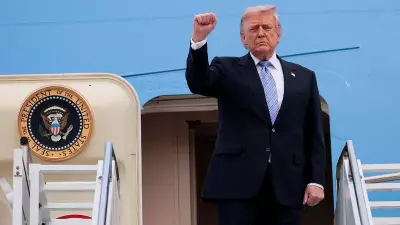
President Donald Trump has issued a stern warning to Cuba, stating that the United States will not tolerate a rogue state harboring hostile foreign military forces. The statement comes amid escalating tensions between Washington and Havana over the presence of foreign military personnel on the island nation.
Trump's Strong Statement
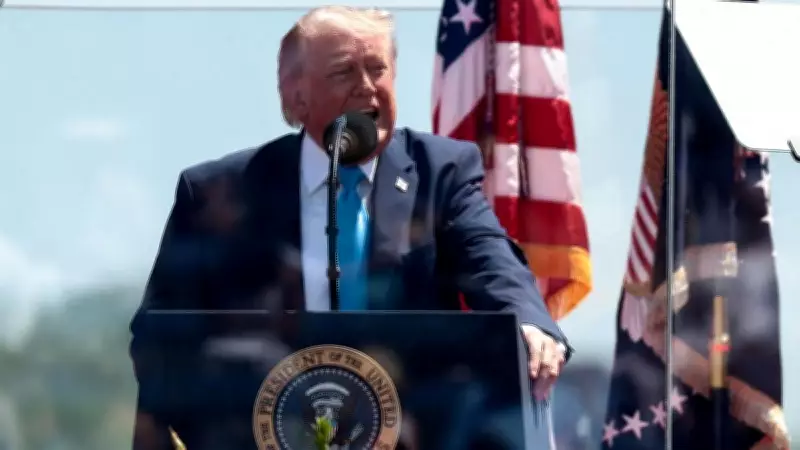
Speaking at a press conference, Trump declared, 'The United States will not tolerate a rogue state. Cuba is harboring hostile foreign military, and that is unacceptable.' He emphasized that his administration would take necessary actions to counter any threats posed by such alliances.
The president did not specify which foreign military he was referring to, but analysts suggest it likely involves Russian or Chinese military personnel reported to be in Cuba. The presence of such forces has raised concerns in Washington about potential espionage or strategic threats near US shores.

Historical Context
This is not the first time the US has raised alarms about foreign military involvement in Cuba. During the Cold War, the Cuban Missile Crisis brought the world to the brink of nuclear war over Soviet missiles stationed on the island. Trump's remarks evoke that tense period, signaling a hardline approach.
Cuba has repeatedly denied hosting any hostile foreign military installations, insisting that its cooperation with other nations is for peaceful purposes. However, the US government remains skeptical, with intelligence reports suggesting otherwise.
Implications for US-Cuba Relations
Trump's comments mark a significant shift from the Obama-era policy of engagement with Cuba. Under Trump, relations have soured, with the administration tightening sanctions and reversing many diplomatic openings. This latest warning could lead to further economic and political pressure on Havana.
Experts believe that Trump's rhetoric is also aimed at rallying his political base ahead of the upcoming elections, portraying himself as a strong leader against foreign adversaries.
The Cuban government has not yet officially responded to Trump's statement, but state media have criticized the US for interfering in Cuba's internal affairs.
International Reactions
The international community has reacted with concern. Russia dismissed the allegations as baseless, while China called for restraint. The United Nations has urged both sides to engage in dialogue to de-escalate tensions.
As the situation develops, all eyes are on how the Trump administration will translate its tough talk into concrete actions. Options could include additional sanctions, diplomatic expulsions, or even military posturing in the region.
This development adds another layer of complexity to US foreign policy in Latin America, where the administration has already taken a hard line on Venezuela and Nicaragua.