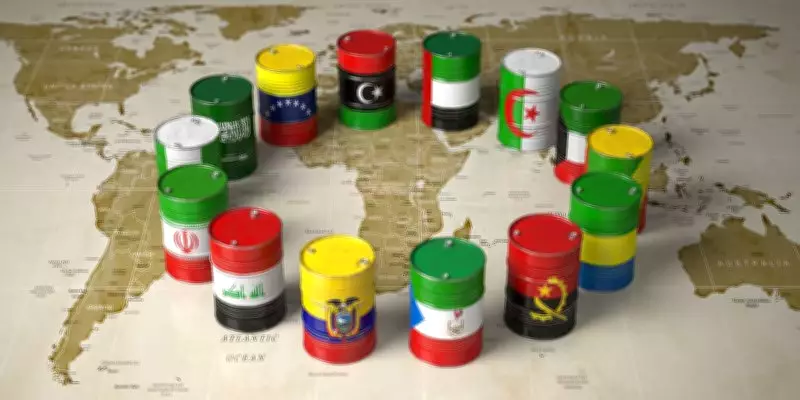
After nearly six decades, the United Arab Emirates has walked out of the Organization of the Petroleum Exporting Countries (OPEC), marking the gravest internal rupture in the cartel's history. The exit, effective May 1, 2026, comes as a war with Iran chokes the Strait of Hormuz and crude prices surge past $110 a barrel.
Why Did the UAE Leave OPEC?
The decision follows long-suppressed tensions over production quotas and Saudi dominance within the group. The UAE, OPEC's third-largest oil producer, has been pushing for a higher production ceiling to match its growing capacity, but faced resistance from Saudi Arabia, the de facto leader of the cartel. The UAE's ambition to expand its oil output and diversify its economy clashed with OPEC's strategy of restraining supply to support prices.
Impact on Oil Markets
The exit adds to the uncertainty in global energy markets already roiled by the Iran conflict. With the Strait of Hormuz threatened, crude prices have soared above $110 per barrel. The UAE's departure could lead to increased production from the country, potentially easing supply concerns in the short term. However, it also undermines OPEC's ability to coordinate production cuts, which could lead to a price war and further volatility.

Geopolitical Implications
The UAE's move weakens OPEC's unity and signals a shift in Middle East alliances. The UAE has been strengthening ties with non-OPEC producers like Russia and the United States, and its exit could accelerate the fragmentation of the oil market. It also puts pressure on Saudi Arabia, which now faces a more fragmented cartel and reduced influence over global oil prices.
What Does the Future Hold for OPEC?
OPEC's survival is now in question. The UAE's departure could encourage other members to seek their own paths, especially those with ambitions to increase production. The cartel may need to reconsider its quota system and decision-making process to prevent further exits. Without the UAE, OPEC's output capacity diminishes, potentially reducing its relevance in a world increasingly focused on renewable energy.
In conclusion, the UAE's exit from OPEC is a historic moment that reshapes the global oil landscape. It reflects deeper tensions within the cartel and the changing dynamics of energy geopolitics. As the world watches, the implications for oil prices, market stability, and international relations will unfold in the coming months.