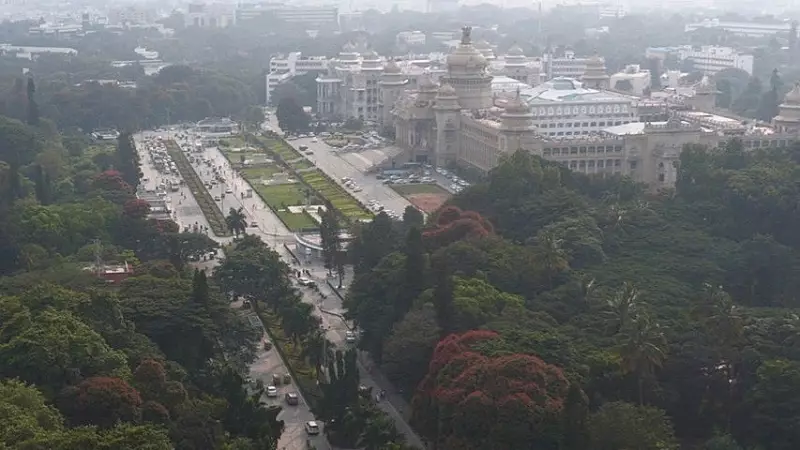
Beyond the gleaming glass facades of its tech parks and the bustling energy of its startup hubs, Bengaluru thrives on a foundation built by countless unseen hands. The city's narrative is incomplete without acknowledging the migrants who arrive with dreams, reshaping their destinies while literally and figuratively holding its homes together.
The Unseen Pillars of a Metropolis
Every day, thousands make the arduous journey to Karnataka's capital, driven by the promise of opportunity. They come from neighbouring states like Tamil Nadu, Kerala, and Andhra Pradesh, and from far-flung regions across India. While the city celebrates its skilled IT workforce, this other, vast demographic operates in the shadows, performing essential labour that keeps the urban engine running.
These individuals work as domestic help, security guards, construction workers, delivery personnel, and drivers. Their contributions are the invisible mortar binding the city's bricks. They cook meals, raise children, guard neighbourhoods, and build the very apartments and offices that define Bengaluru's skyline. As noted by commentator M V Sundararaman in a recent piece, their stories are the unsung ballads of the city's growth, a sentiment highlighted on 07 December 2025.

Reshaping Destinies Amidst Struggle
The journey is rarely easy. Migrants often face a triad of challenges: precarious housing in densely packed urban villages, uncertain wages, and the constant ache of separation from family. Yet, within these struggles lies an extraordinary narrative of resilience and reinvention.
Many send a significant portion of their earnings back home, funding education, healthcare, and better livelihoods for their families in rural areas. They form tight-knit communities that offer support, preserving cultural ties while adapting to a new urban identity. Their work in Bengaluru is not just a job; it is an active, deliberate reshaping of their future generations' destiny.
A City Held Together by Human Spirit
The relationship between Bengaluru and its migrant workforce is symbiotic yet complex. The city offers economic salvation, while the migrants provide the indispensable labour that makes urban life manageable for its middle and upper classes. They are the first to rise and often the last to sleep, ensuring the smooth functioning of households and businesses.
Recognising their role is crucial for inclusive urban planning. Issues of fair wages, access to healthcare, dignified housing, and protection under labour laws are not just social welfare concerns but are fundamental to the sustainable and humane growth of any metropolis. The story of Bengaluru, ultimately, is a tapestry woven from countless such threads of hope, endurance, and silent contribution.
As we look at the city's impressive infrastructure and vibrant culture, it is imperative to remember the human cost and the human spirit that underpins it all. The true strength of Bengaluru lies not only in its code but in the collective resolve of those who build, serve, and sustain it from the ground up.