

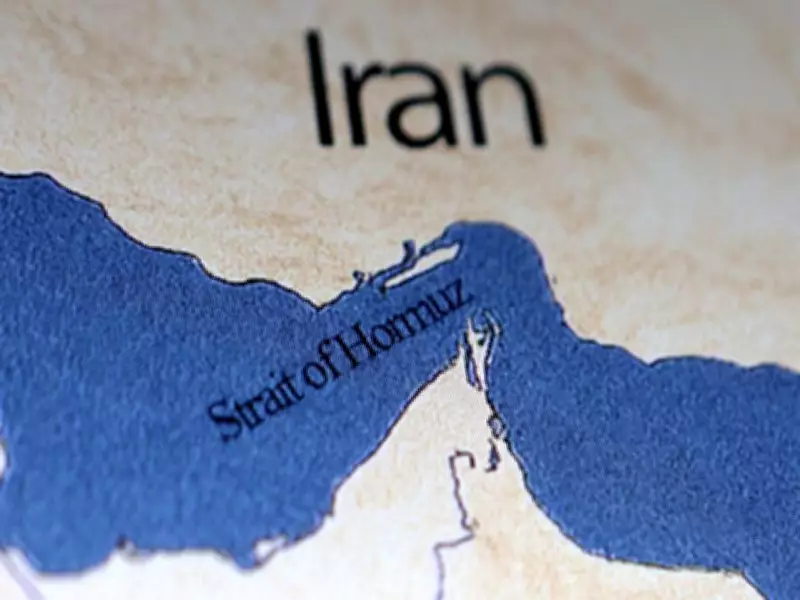
The United States has proposed a resolution to the United Nations Security Council aimed at defending free navigation and securing the strategically vital Strait of Hormuz. US Secretary of State Marco Rubio described the initiative as a critical test for the United Nations' credibility in upholding international law and maritime security.
The proposed resolution seeks to reaffirm the right of freedom of navigation in international waters, particularly through the Strait of Hormuz, a narrow waterway that serves as a crucial chokepoint for global oil shipments. Approximately one-fifth of the world's total oil consumption passes through the strait, making it a focal point for geopolitical tensions and security concerns.
Key Provisions of the Resolution
The draft resolution calls on all UN member states to respect and protect the principle of free navigation, condemning any actions that threaten the safety of commercial and military vessels in the region. It emphasizes the need for collective action to prevent disruptions to global energy supplies and maritime trade.

Furthermore, the resolution urges enhanced cooperation among nations to ensure the security of the Strait of Hormuz, including joint naval patrols and information-sharing mechanisms. It also highlights the importance of de-escalating tensions in the region through diplomatic means.
Rubio's Statement
Speaking at a press conference, Rubio stated, 'This resolution is a test for the United Nations. The world must stand together to defend the rule of law and ensure that no single nation can disrupt the free flow of commerce through these vital waters.' He added that the US is committed to working with allies and partners to secure the strait and prevent any acts of aggression.
Reactions and Implications
The proposal has garnered mixed reactions from UN member states. Some Western nations have expressed support, viewing it as a necessary step to counter threats from Iran and other regional actors. However, Russia and China have raised concerns, arguing that the resolution could be used to justify military intervention and escalate tensions.
Analysts suggest that the resolution's fate in the Security Council will be closely watched, as it reflects broader geopolitical divisions. If adopted, it could pave the way for increased international naval presence in the region, potentially reducing the risk of confrontations but also raising the stakes for all parties involved.
The Strait of Hormuz has been a flashpoint in recent years, with incidents including the seizure of oil tankers and drone attacks. The US and its allies have conducted patrols to ensure safe passage, but Iran has repeatedly threatened to close the strait in response to sanctions or military pressure.
The UN Security Council is expected to debate the resolution in the coming weeks, with a vote likely to test the unity of the international community on maritime security issues.






