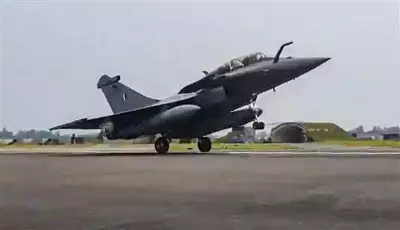
The United States and South Korea began their annual joint military exercises on Monday, aiming to bolster their defense posture against potential aggression from North Korea. The drills, known as the Ulchi Freedom Shield, are set to continue for 11 days and involve a range of land, air, sea, and cyber operations. This year's exercises come amidst heightened tensions on the Korean Peninsula, with North Korea continuing its weapons tests and issuing threats against the allies.
Significance of the Drills
The joint exercises are designed to enhance the readiness and interoperability of US and South Korean forces. They include field training, computer-simulated command post exercises, and civil defense drills. The allies emphasize that the drills are defensive in nature and are crucial for maintaining peace and stability in the region. However, North Korea has consistently condemned these exercises as preparations for invasion and has responded with missile launches and bellicose rhetoric.
North Korea's Response
In the lead-up to the drills, North Korean state media warned of a "serious security crisis" and vowed to take "overwhelming actions" in response. The country has been accelerating its weapons development, including ballistic missiles and nuclear capabilities, in defiance of UN Security Council resolutions. Analysts suggest that Pyongyang may use the exercises as a pretext for further provocations, such as testing an intercontinental ballistic missile or conducting a nuclear test.

Regional and Global Implications
The exercises also draw attention from other regional powers, particularly China and Russia, which have called for restraint and a diplomatic solution. The US maintains about 28,500 troops in South Korea as a legacy of the 1950-53 Korean War, which ended with an armistice rather than a peace treaty. The allies continue to call on North Korea to return to denuclearization talks, but Pyongyang has rejected such offers, demanding an end to what it sees as hostile US policies.
Domestic Considerations
In South Korea, the drills have sparked some controversy, with civic groups calling for a reduction in tensions and a shift towards engagement. However, the government of President Yoon Suk Yeol has taken a firm stance, emphasizing the need for a strong defense posture. The exercises are also seen as a test of the alliance's cohesion, especially as the US focuses on strategic competition with China and the war in Ukraine.
As the drills proceed, the international community watches closely for any signs of escalation. The US and South Korea remain committed to maintaining readiness, while also expressing openness to dialogue with North Korea under the right conditions. The coming days will reveal whether the exercises will lead to a further deterioration of the security environment or serve as a stabilizing factor.