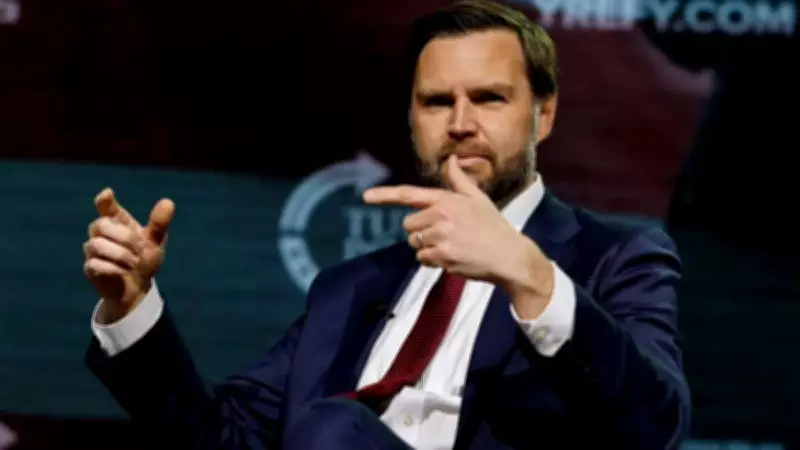
Vice President Vance's recent 'America First' remark has raised questions about the strength of the US-Israel alignment, suggesting potential cracks in the longstanding alliance. Speaking at a foreign policy forum, Vance emphasized prioritizing American interests, which some analysts interpret as a shift away from unconditional support for Israel.
Context of the Statement
Vance's comments come amid growing debates within the administration over foreign aid and military commitments. While reaffirming support for Israel, he stressed that any engagement must align with US national interests. This nuanced stance has drawn mixed reactions from policymakers and allies.
Reactions and Implications
Israeli officials have expressed concern, seeking clarification. Meanwhile, domestic critics argue that 'America First' rhetoric could undermine strategic partnerships. Experts note that the US-Israel relationship has historically been a cornerstone of Middle East policy, and any perceived shift could have regional repercussions.

The remark also echoes former President Trump's doctrine, signaling a possible continuity in foreign policy approach. However, the administration has yet to outline concrete policy changes. Observers will be watching for further statements or actions that could redefine the alliance.
In conclusion, Vance's statement has injected uncertainty into US-Israel relations, highlighting the tension between nationalist priorities and traditional diplomatic commitments. The coming weeks will be crucial in determining whether this marks a rhetorical shift or a substantive policy change.