

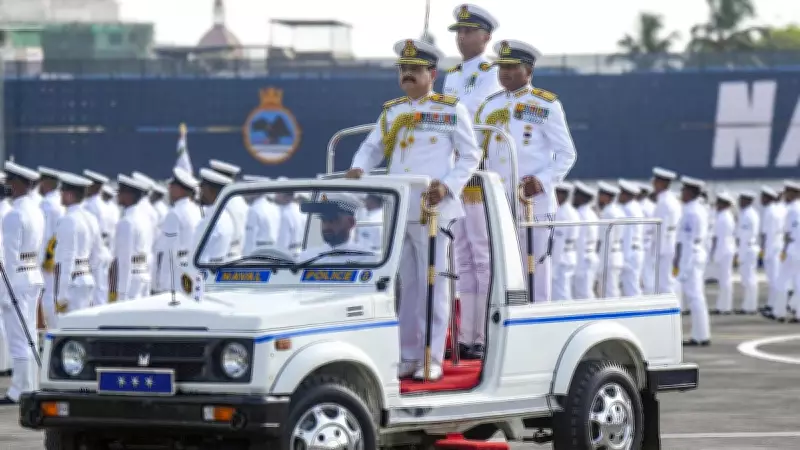
Vice Admiral Sanjay Vatsayan officially assumed the role of Flag Officer Commanding-in-Chief of the Western Naval Command on 30 May 2026, succeeding the previous incumbent. The change of command took place in a formal ceremony held at the naval headquarters in Mumbai, Maharashtra.
Distinguished Career and Decorations
Vice Admiral Vatsayan is a highly decorated officer of the Indian Navy, having been awarded the Param Vishisht Seva Medal (PVSM), Ati Vishisht Seva Medal (AVSM), and Nao Sena Medal (NM) for his exceptional service and leadership. His career spans over three decades, during which he has held various key operational and staff appointments. The officer is known for his expertise in naval operations and strategic planning, which will be crucial in overseeing the Western Naval Command's responsibilities.
Strategic Importance of Western Naval Command
The Western Naval Command is one of the three major commands of the Indian Navy, responsible for the security of India's western seaboard, including the critical maritime regions of the Arabian Sea. The command plays a pivotal role in safeguarding national interests, conducting surveillance, and ensuring maritime security in the region. Vice Admiral Vatsayan's appointment comes at a time when the Indian Navy is focusing on modernisation and enhancing its operational readiness to address emerging challenges in the Indian Ocean Region.

Prior to this appointment, Vice Admiral Vatsayan served as the Deputy Chief of Naval Staff at the Integrated Headquarters of the Ministry of Defence (Navy) in New Delhi. His vast experience in naval operations, logistics, and training is expected to bring renewed vigour to the Western Naval Command's operational capabilities.
The ceremony was attended by senior naval officers, dignitaries, and officials from the Ministry of Defence. In his address, Vice Admiral Vatsayan expressed his commitment to upholding the highest standards of professionalism and operational excellence. He emphasised the importance of teamwork and the dedication of all personnel under his command to protect India's maritime interests.
This transition marks a new chapter for the Western Naval Command, which continues to be a cornerstone of India's naval defence strategy. The Indian Navy remains steadfast in its mission to safeguard the nation's maritime borders and contribute to regional stability.






