

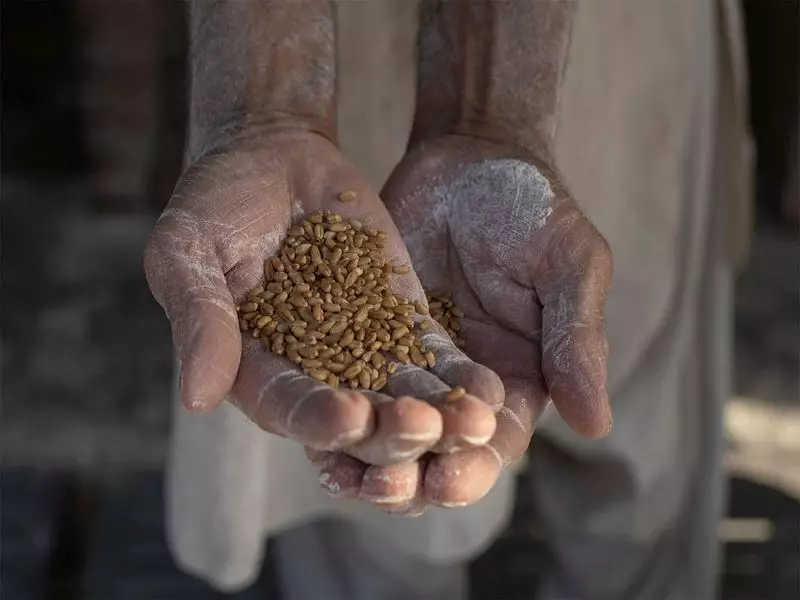
The twin cities of Islamabad and Rawalpindi are teetering on the edge of a severe flour catastrophe following the Punjab government's controversial decision to ban inter-district and inter-provincial wheat movement. This administrative measure has triggered an unprecedented crisis that threatens to leave millions without access to this essential food staple.
The Root Cause: Punjab's Wheat Procurement Policy
At the heart of the crisis lies the Punjab food department's directive issued on May 8, 2024, which effectively halted all wheat movement across district and provincial boundaries. This decision was implemented despite the Pakistan Flour Mills Association's repeated warnings about its catastrophic consequences.
The government's wheat procurement target of 1.4 million metric tons has created an artificial shortage in the market. While the official procurement period extends until June 5, 2024, the ban has already paralyzed the supply chain. Flour mills in Rawalpindi and Islamabad, which typically process wheat from across Punjab, now find themselves completely cut off from their raw material sources.

Immediate Consequences: Mills Shut Down, Prices Skyrocket
The flour crisis has manifested in several alarming ways across the twin cities. Dozens of flour mills have been forced to suspend operations entirely due to the unavailability of wheat. Those still functioning are operating at minimal capacity, unable to meet the daily demand of the region's substantial population.
As availability diminishes, flour prices have begun their inevitable ascent. Market sources indicate that the price of a 20kg flour bag has already increased significantly, with further hikes expected as stocks dwindle. This price surge comes at a time when citizens are already grappling with high inflation across other essential commodities.
The situation has become so dire that flour mills may completely exhaust their existing wheat reserves within days, potentially leading to a total collapse of the supply system in the densely populated urban centers.
Broader Implications for Food Security
This developing crisis extends beyond immediate availability concerns. Industry representatives from the Pakistan Flour Mills Association argue that the government's procurement strategy is fundamentally flawed. They contend that the 1.4 million metric ton procurement target far exceeds actual requirements for buffer stocks, unnecessarily removing wheat from the open market.
The association has urgently appealed to both the provincial and federal governments to immediately lift the movement restrictions. They warn that continued inaction could lead to social unrest as desperate citizens struggle to secure basic food supplies.
This situation highlights the delicate balance between government food security initiatives and market dynamics. While the Punjab government aims to build strategic reserves, the implementation method has created immediate hardship for urban populations dependent on continuous supply chains.
As the deadline of June 5, 2024 approaches, all eyes remain on government authorities to either modify their procurement strategy or face the consequences of a full-blown food emergency in the capital region and its neighboring city.






