Iran Escalates Retaliation with Major Strikes on US and Israeli Targets
In a significant escalation of regional tensions, Iran's Islamic Revolutionary Guard Corps (IRGC) has launched a new wave of retaliatory strikes across the Gulf, specifically targeting American and Israeli military installations. This aggressive action comes directly in response to the recent killing of Iran's Supreme Leader, Ali Khamenei, with Iranian authorities vowing to continue their campaign of retaliation against perceived aggressors.
Unprecedented Scale of Attacks on American Military Presence
The IRGC has announced coordinated attacks on an unprecedented 27 American military bases strategically located throughout the Middle East. This represents the sixth consecutive wave of assaults carried out by Iranian forces, demonstrating a sustained and calculated military response. The scope and frequency of these attacks indicate a deliberate strategy to challenge American military dominance in the region.
Israeli Military Infrastructure Under Direct Fire
Simultaneously, Iranian forces have targeted key Israeli military facilities with precision strikes. The Tel Nof airbase, a crucial component of Israel's air defense network, has been hit in these attacks. Additionally, the Israeli army's command headquarters at HaKirya in Tel Aviv has been targeted, along with a major defense industrial complex located within the same city. These strikes represent a direct challenge to Israel's military command structure and defense manufacturing capabilities.

Gulf Cities Experience Devastating Aftermath
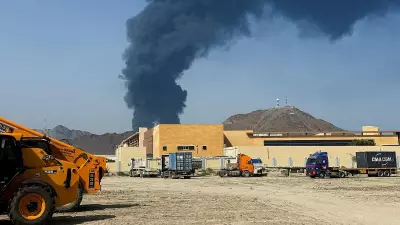
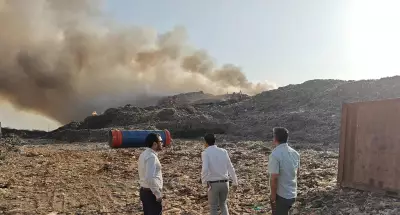
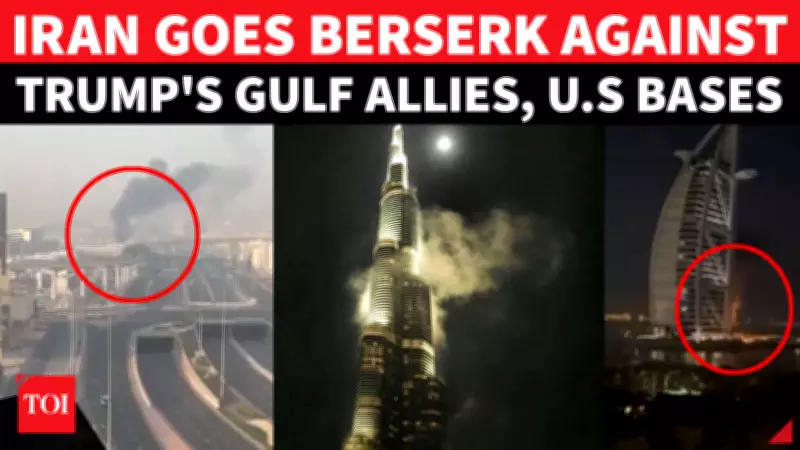
Major urban centers across the Gulf region have reported significant damage and disruption following the Iranian attacks. For the second consecutive day, explosions have rocked Dubai, with authorities confirming that most incoming missiles and drones were successfully intercepted by defense systems. However, falling debris from these interceptions has resulted in multiple injuries and substantial property damage throughout the city.
On February 28, drone debris reportedly caused damage to critical facilities at Dubai International Airport, one of the world's busiest aviation hubs. Minor fires were also reported near iconic landmarks including the Burj Al Arab hotel and various port facilities, highlighting the widespread impact on civilian infrastructure.
Regional Security Implications and Response
The United Arab Emirates authorities have confirmed their defense systems successfully intercepted numerous incoming threats, though the collateral damage from falling debris has created significant challenges. The attacks have extended beyond Dubai, with reports of explosions and fires in Doha and Bahrain, indicating a broad regional targeting strategy by Iranian forces.
This latest escalation follows Iran's explicit warnings of continued retaliation for the death of Supreme Leader Khamenei. The coordinated nature of these strikes across multiple countries suggests a well-planned military operation designed to demonstrate Iran's capability to project power throughout the region and challenge both American and Israeli military assets simultaneously.
The situation remains fluid as regional governments assess the full extent of damage and coordinate their response to these unprecedented attacks on military and civilian targets across the Gulf region.