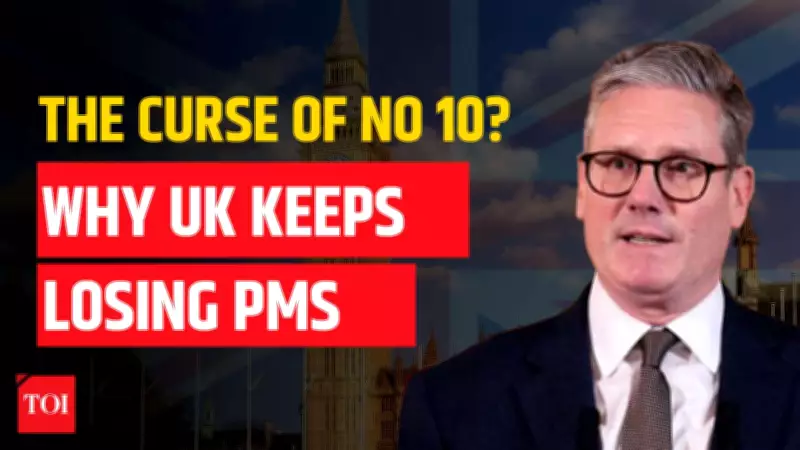
Britain's political instability has once again come into sharp focus as Prime Minister Keir Starmer faces mounting pressure following Labour's disastrous 2026 local election results. The crisis has renewed wider questions about why the United Kingdom has cycled through so many prime ministers in such a short period. Since the Brexit referendum in 2016, the country has witnessed an extraordinary succession of leaders: David Cameron, Theresa May, Boris Johnson, Liz Truss, Rishi Sunak, and now Starmer, who is facing a potential revolt from within his own party.
Structural Weaknesses in the Political System
Analysts argue that Britain's problems extend far beyond individual leaders. They point instead to deep structural weaknesses in the political system, growing public anger over the economy, intense media pressure, and bitter divisions within both major parties. The post-Brexit era has been marked by a series of leadership contests, snap elections, and policy U-turns that have eroded public trust in Westminster politics.
Brexit's Lingering Aftershocks
The economic and political aftershocks of Brexit continue to dominate public life. Trade deals, border arrangements, and regulatory divergence have created ongoing challenges for successive governments. Meanwhile, voters increasingly lose faith in the ability of mainstream parties to address their concerns. The rise of Reform UK has added further pressure on both Labour and the Conservatives, splitting the right-wing vote and forcing both parties to rethink their strategies.

Media Scrutiny and Internal Divisions
Intense media scrutiny has also played a role in shortening political careers. The British press is known for its aggressive coverage of prime ministers, often focusing on personal scandals and policy failures. Combined with deep internal divisions within the Conservative and Labour parties, this has created a toxic environment where leaders struggle to maintain authority. Many warn that Britain's political crisis is becoming systemic rather than temporary, raising broader questions about whether the country's current political model is still capable of delivering long-term stable government.
The Road Ahead
As Starmer fights to hold onto power, the turmoil surrounding Downing Street shows no signs of abating. With local election defeats and growing discontent among Labour MPs, the prime minister faces an uncertain future. The cycle of short-lived premierships may continue unless fundamental reforms are undertaken to address the underlying causes of instability, including electoral reform, devolution, and a renewed focus on economic growth.