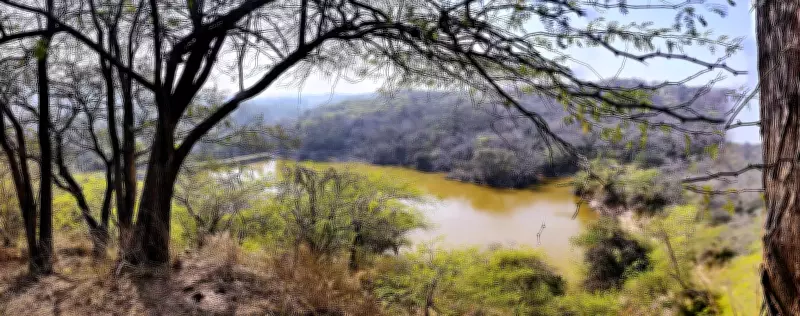
A comprehensive, week-long multi-taxon wildlife survey conducted by the Forest and Wildlife Department alongside the Wildlife Institute of India has revealed a major surge in local biodiversity across the Sukhna Wildlife Sanctuary and adjoining green pockets in Chandigarh.
Leopard Presence Confirmed
The extensive assessment confirmed the thriving presence of two adult male leopards via camera traps, tracking 11 independent detections based on distinct rosette coat patterns. This solidifies the sanctuary’s status as a critical ecosystem for apex predators.
Survey Methodology
The scientific study spanned from November 20 to November 27, deploying advanced line transects, indirect sign tracking, and passive acoustic monitoring across Sukhna Choe, Patiala Ki Rao, the Botanical Garden, Butterfly Park, and the City Bird Sanctuary.

Key Findings
While documenting a vibrant dry deciduous forest ecosystem, the census logged a total of 132 bird species, 79 plant species, 73 butterfly species, 16 mammal species, and 13 herpetofaunal species.
Avian Diversity
Avian diversity nearly doubled from 67 species recorded in 2021 to 132 species. The Hume’s Warbler emerged as the most abundant bird overall, alongside sightings of the globally vulnerable Common Pochard and a lone Griffon Vulture.
Mammals
Mammal counts showed a landscape dominated by ungulates, predominantly sambhar, which serve as the primary prey base for leopards. The golden jackal was identified as the region’s most frequently encountered carnivore. Both leopards and Indian crested porcupines exhibited strictly nocturnal behavioral patterns.
Butterflies
The first-ever butterfly census recorded 73 distinct species, finding the highest concentration of the highly abundant Yellow Orange Tip and Common Pierrot in wet riparian zones. However, seasonal shifts and weed growth hampered grassland numbers.
Reptiles and Amphibians
In reptile and amphibian categories, the fan-throated lizard was documented as a brand-new regional discovery alongside key species like the Indian Roofed Turtle and Bengal Monitor Lizard.
Ecological Warnings
Biologists raised urgent ecological warnings over poor native forest regeneration of khair and siris trees, which are steadily losing ground to invasive eucalyptus, lantana, vilayati kikar, and exotic red-eared slider turtles. These invasive species threaten the long-term health of the ecosystem.