

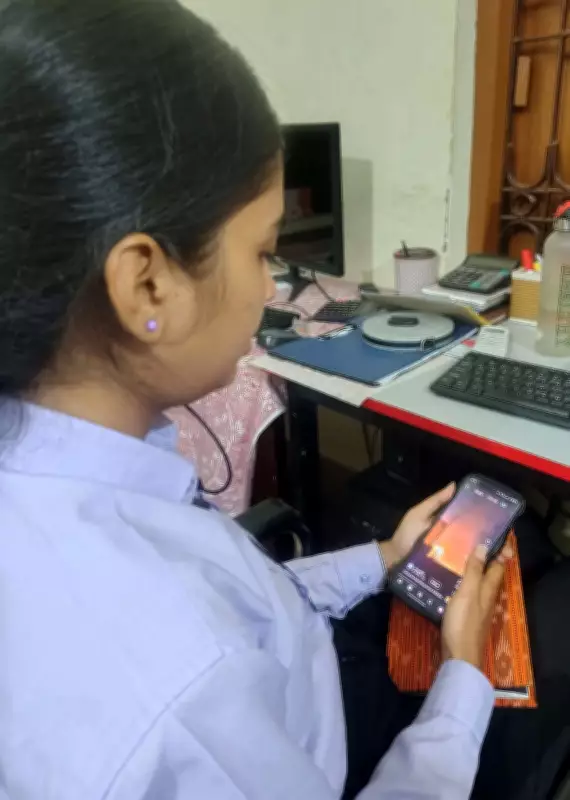
Bhubaneswar: Internet usage among women in Odisha has doubled between 2019 and 2024, according to the latest National Family Health Survey (NFHS-6) for 2023-24. The data reveals that 51.8% of women now use the internet, a significant jump from 24.9% recorded in NFHS-5 (2019-21). Similarly, mobile phone ownership among women has risen to 63.6% from 50.1% in the previous survey.
Persistent Gender Gap
Despite these gains, a clear gender gap in internet usage and mobile ownership continues, mirroring national trends. Internet usage among men in Odisha stands at 73.2%, highlighting a persistent digital divide between genders. This disparity is also observed at the national level, where 64.3% of women and 80.5% of men have ever used the internet.
Urban-Rural Divide
The urban-rural divide is another significant factor. According to the NFHS-6 report, 66.7% of urban women in Odisha use the internet compared to 49% of rural women. Nationally, these figures are 77.3% and 58.6%, respectively. A similar pattern exists for men. In mobile phone usage, 79% of urban women own a mobile phone, while only 60.7% of rural women do.

Challenges in Internet Adoption
While 63.6% of women in Odisha have mobile phones, only 51.8% use the internet. This suggests that many women either lack the knowledge to use internet features or own phones without internet capability. Financial constraints may also be a barrier, experts say.
Bibudhendu Pati, professor of computer science at Rama Devi Women’s University, notes that mobile phones have become essential for accessing government benefits through direct benefit transfer (DBT), Aadhaar authentication, banking, and online governance. Internet access is also crucial for digital payments and other applications. He adds that cheaper data and mobile phones, along with increased awareness, are driving adoption. However, many families share a single phone between men and women, which may not be captured in the survey data.
Importance of Bridging the Gap
Experts emphasize that bridging the gender digital divide is crucial for improving women’s access to education, financial services, and employment opportunities in a rapidly digitizing economy.






